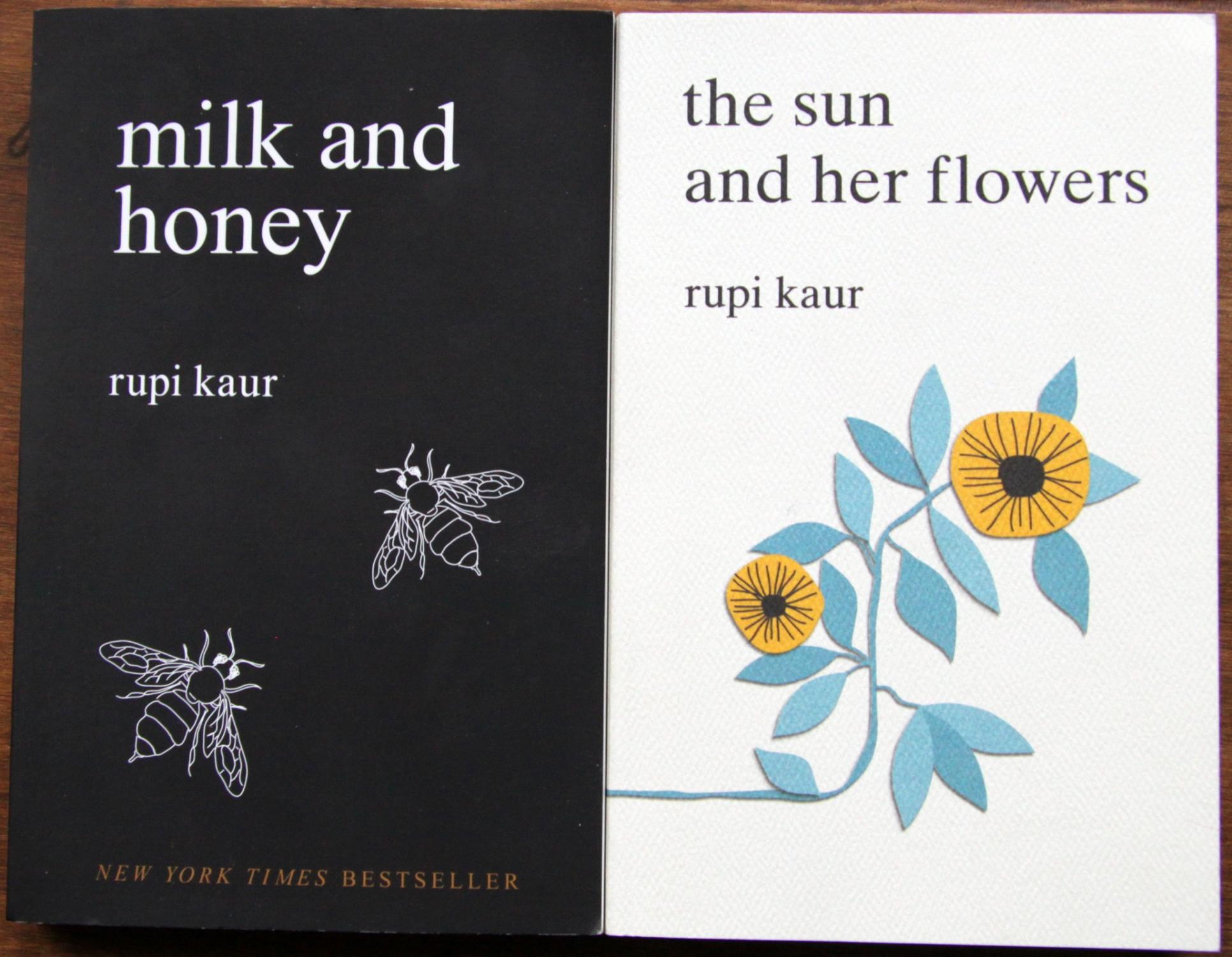
The Sun And Her Flowers
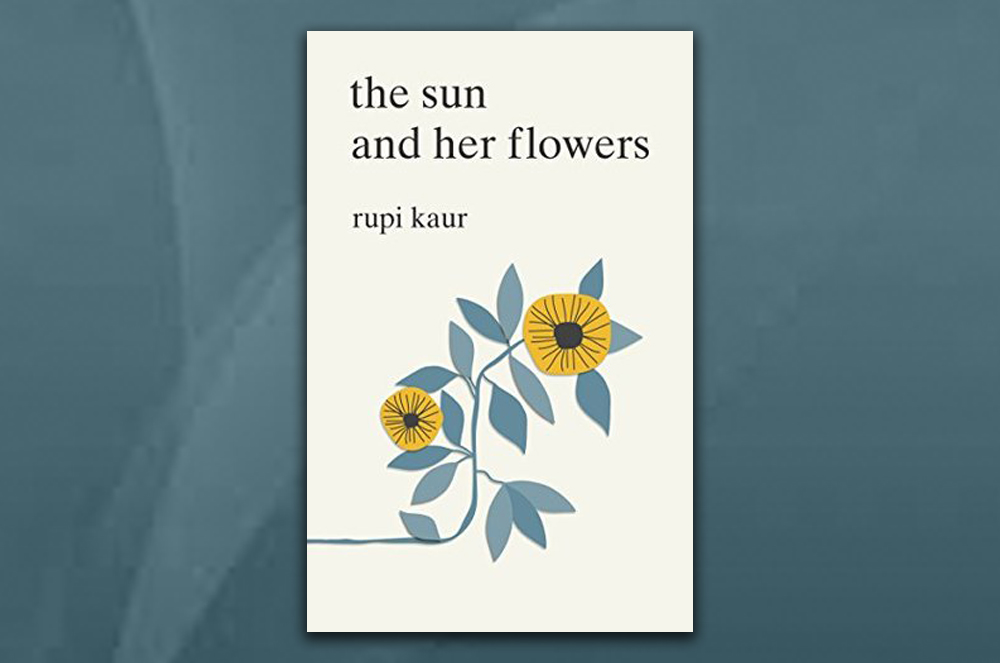
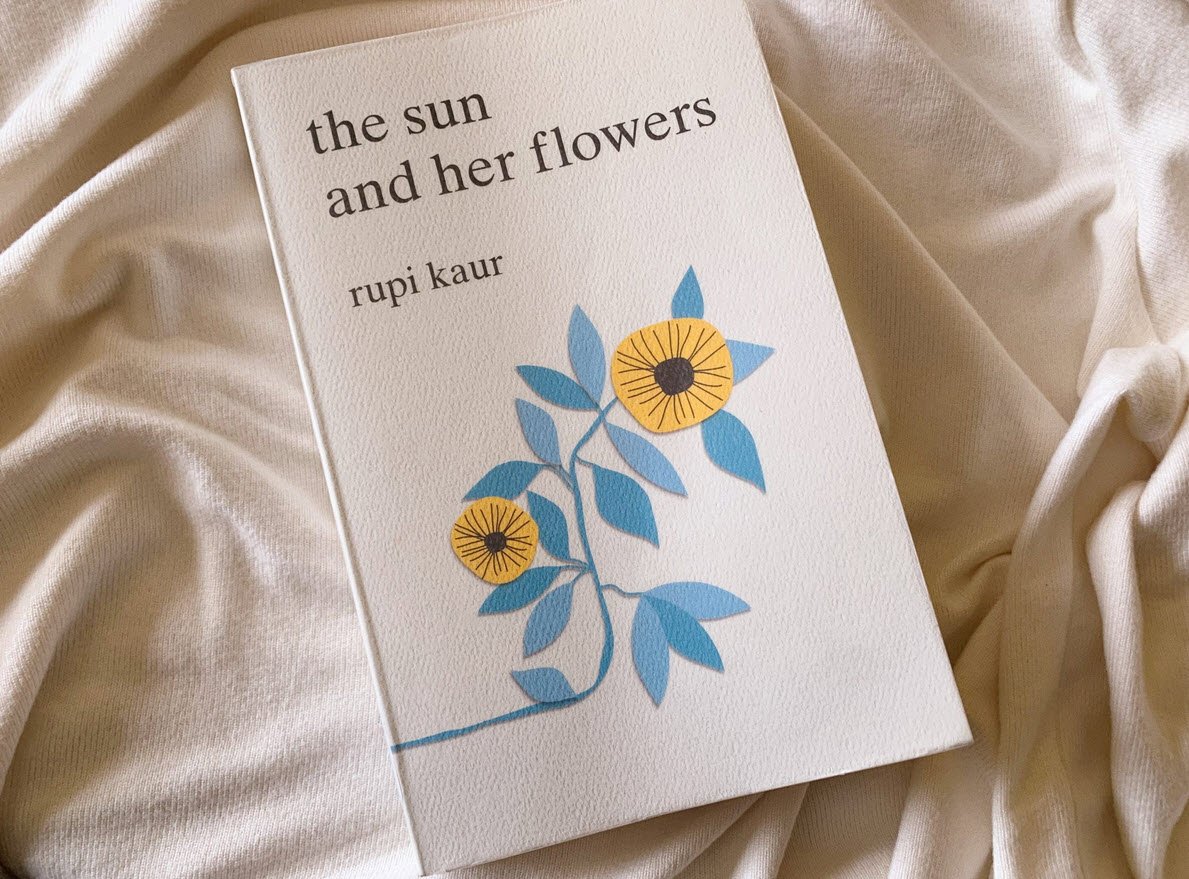
Okay, okay, settle down, settle down! Let me tell you about this book, right? It's called The Sun and Her Flowers by Rupi Kaur. Now, before you roll your eyes and whisper about "Instagram poetry," hear me out. I know, I know, sometimes it feels like you can’t swing a cat without hitting a book of short poems accompanied by line drawings. But this one... this one's got something special. It's like the emotional equivalent of a really good, really strong cup of coffee – a bit bitter, definitely wakes you up, and leaves you feeling oddly satisfied.
What's the Buzz?
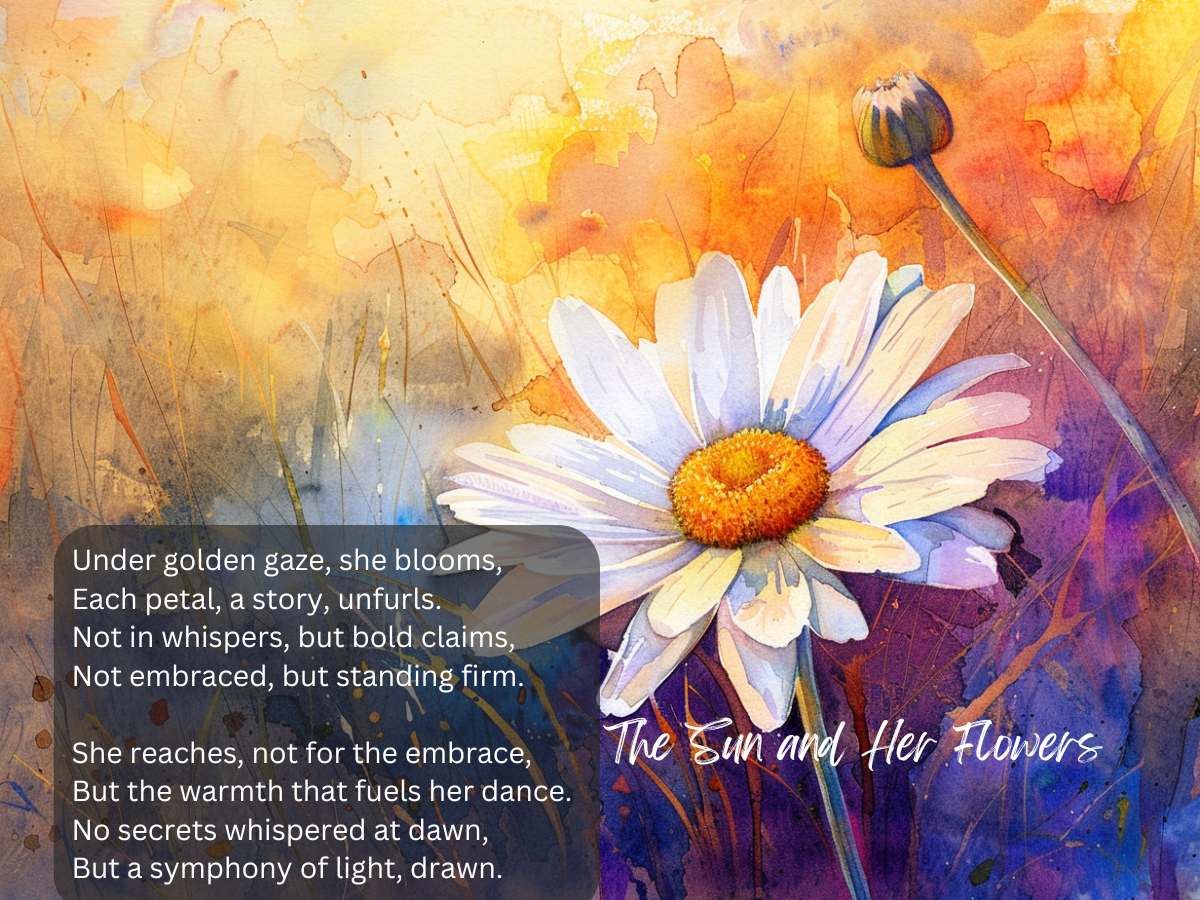
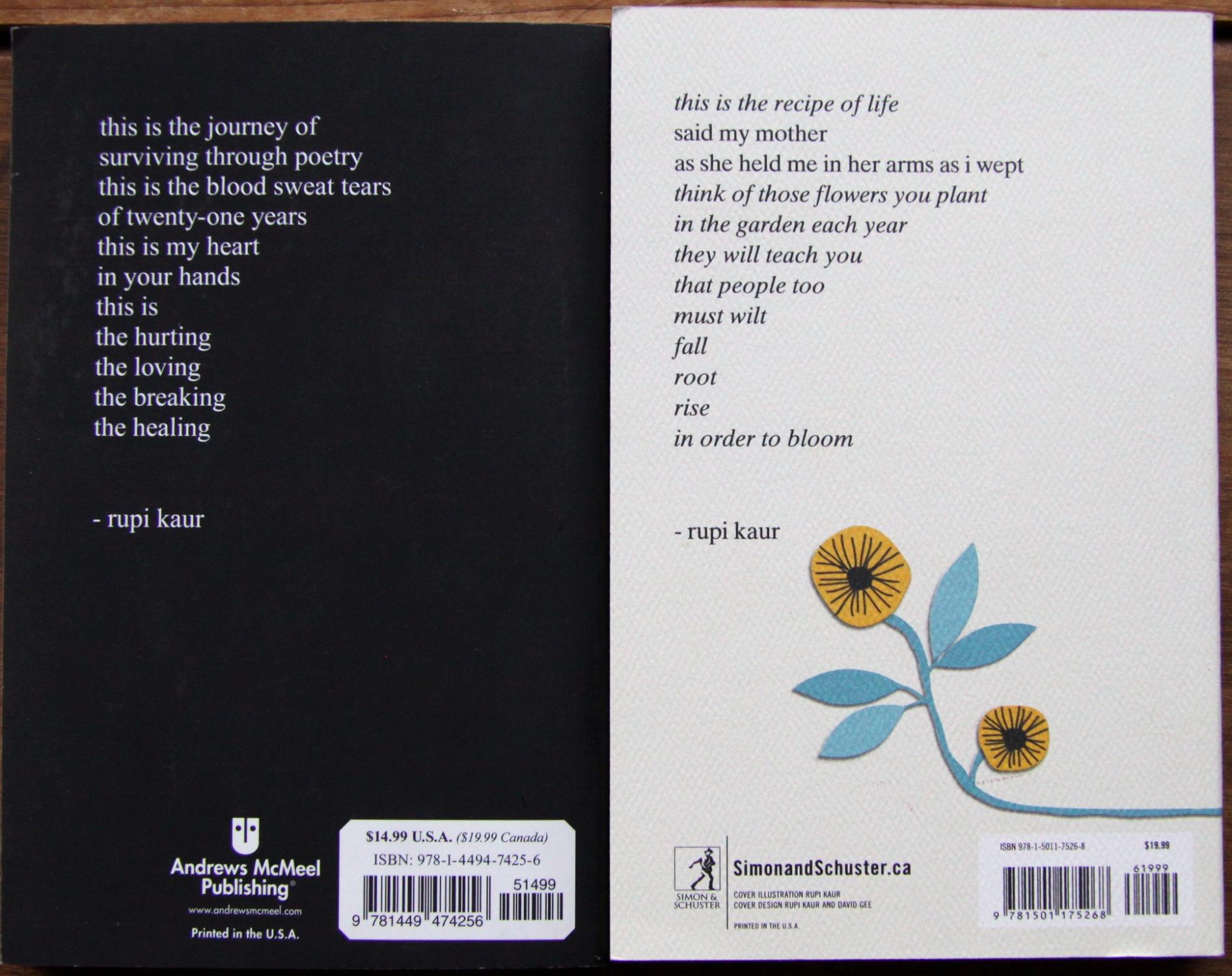
So, what is it? Well, in a nutshell (a very artsy, minimalist nutshell), it's a collection of poems divided into five sections, each named after a stage in the life cycle of a flower: Wilting, Falling, Rooting, Rising, and Blooming. See? Deep, right? But not, like, pretentious deep. More like... honest, raw, and surprisingly relatable deep. Think of it as a manual for navigating the emotional rollercoaster that is being a human, but written in bite-sized, beautifully formatted chunks.
The Sections: A Floral Breakdown
Let's break it down, shall we? Imagine a flower, neglected and sad. That's Wilting. Think heartbreaks, low self-esteem, and generally feeling like you’re wilting under the sheer weight of existence. It’s a bit of a downer, but hey, gotta start somewhere, right?
Must Read
Then comes Falling. This is where things get messy. It’s the poems about losing things – love, innocence, your favorite pair of socks… okay, maybe not socks, but you get the idea. It's about accepting that things change, sometimes painfully so, and letting go. It’s the equivalent of realizing you left your phone on the roof of your car and drove off. The initial panic, followed by acceptance... mostly.
Next up, we have Rooting. This is where the hard work begins. It’s the rebuilding phase, the time for self-reflection, and the slow, painstaking process of growing new roots. It's like trying to assemble IKEA furniture without the instructions – frustrating, but ultimately rewarding (if you don't end up with any spare screws, that is).

Rising is the payoff. It's about finding your strength, overcoming obstacles, and realizing your worth. Imagine your flower finally getting some sunshine and water after a long drought. It’s that feeling of “Yeah, I can do this!” And maybe even: “I’m kind of awesome!”
Finally, we arrive at Blooming. This is the part where everything comes together. It’s about embracing your flaws, celebrating your successes, and living your best life. It’s the moment you realize you’ve not only survived the emotional rollercoaster, but you've also learned a thing or two along the way. Think of it as discovering that your sourdough starter actually survived and is now making delicious bread. Pure, unadulterated joy.

Why Should You Read It? (Besides Boredom)
So, why bother reading this book? I mean, you could be watching cat videos or learning how to fold fitted sheets (a truly Herculean task). Here's the thing: Kaur has a way of putting complex emotions into simple, powerful words. It's like she’s tapped into the collective consciousness of everyone who's ever felt lost, hurt, or confused. And let's be honest, that's pretty much all of us at some point, right?
Think of it as a literary hug. A slightly melancholic, but ultimately uplifting hug. Plus, it’s a great conversation starter. Imagine whipping this book out at a coffee shop and casually saying, "Oh, you know, just pondering the cyclical nature of trauma and healing..." Instant intellectual credibility! (Okay, maybe not instant, but you'll definitely sound interesting.)
- It's short. Perfect for those with the attention span of a goldfish (no offense, goldfish!).
- It's relatable. You'll probably find yourself nodding along and saying, "Yep, been there, felt that."
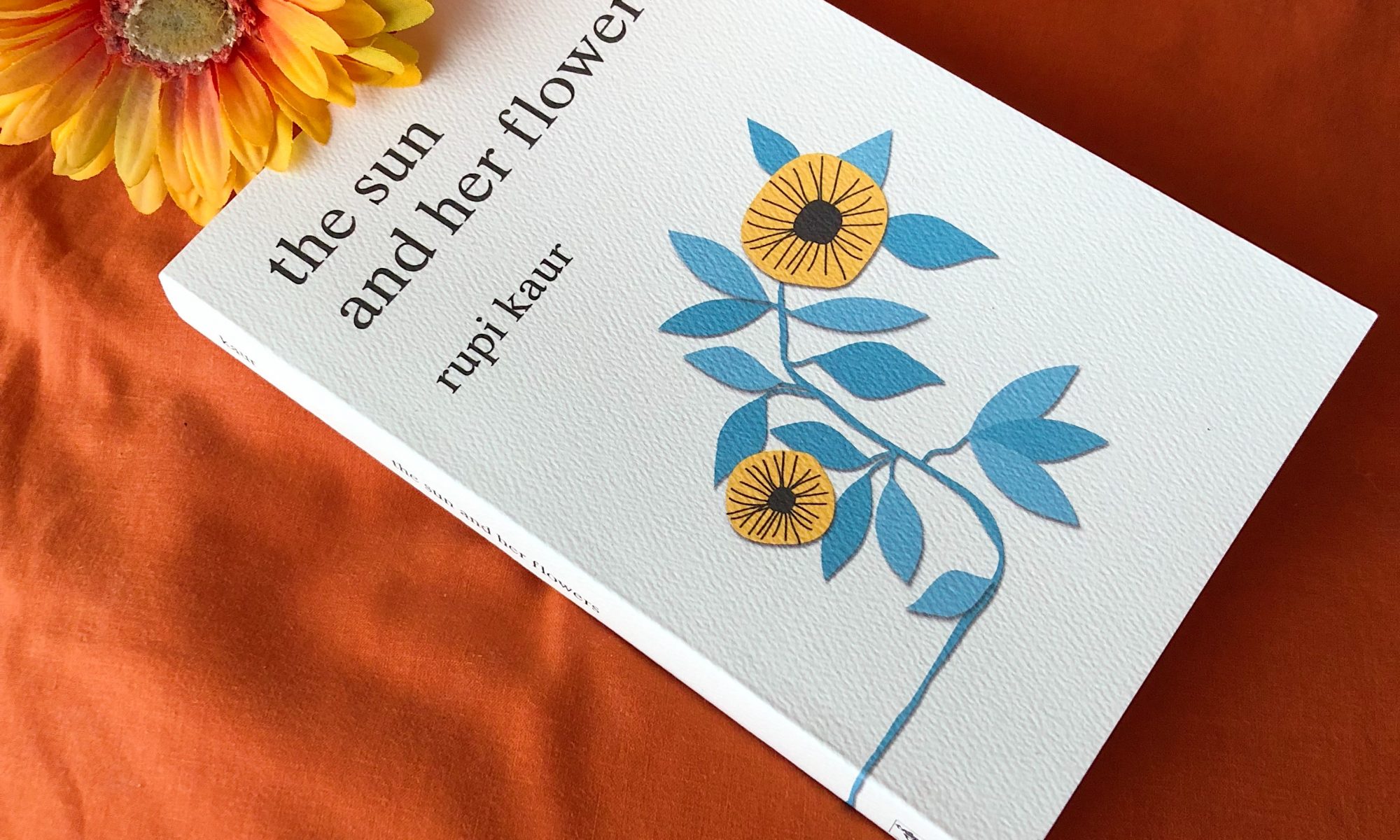
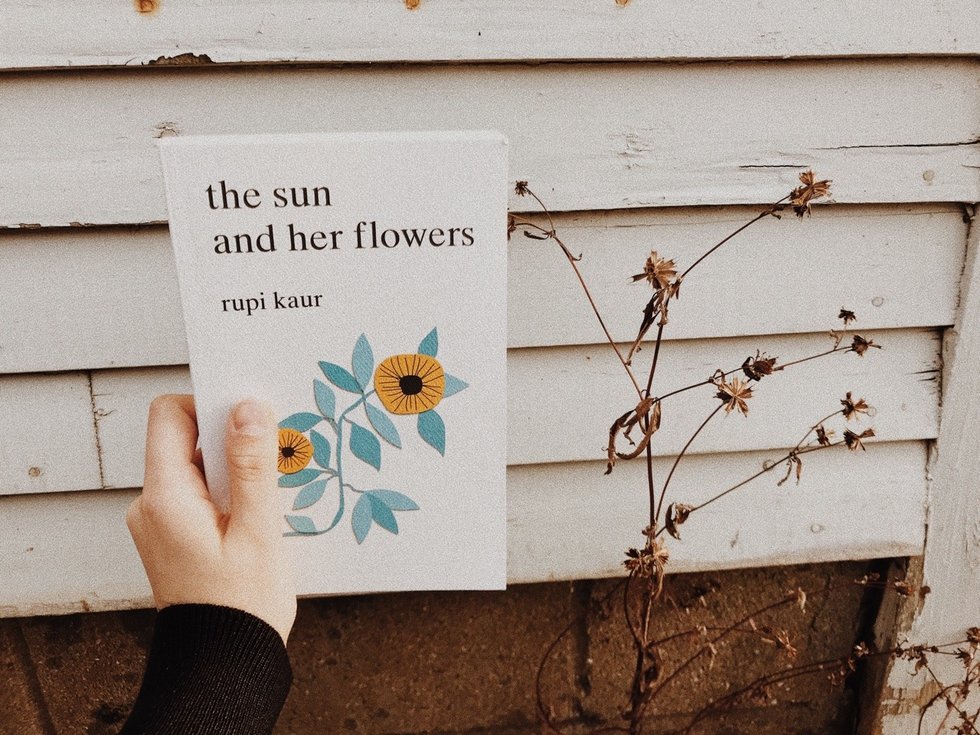
- It's visually appealing. Kaur's illustrations are simple but elegant, and they add an extra layer of meaning to the poems.
- It might actually make you feel a little bit better about yourself and the world. No promises, but hey, it's worth a shot, right?
But Wait, There's More! (Fun Facts and Quirky Observations)
Did you know that Rupi Kaur started sharing her poetry on Instagram? Talk about a modern-day bard! She basically revolutionized the way poetry is shared and consumed. It’s the literary equivalent of going viral with a dance challenge, but with more emotional depth and fewer questionable dance moves.
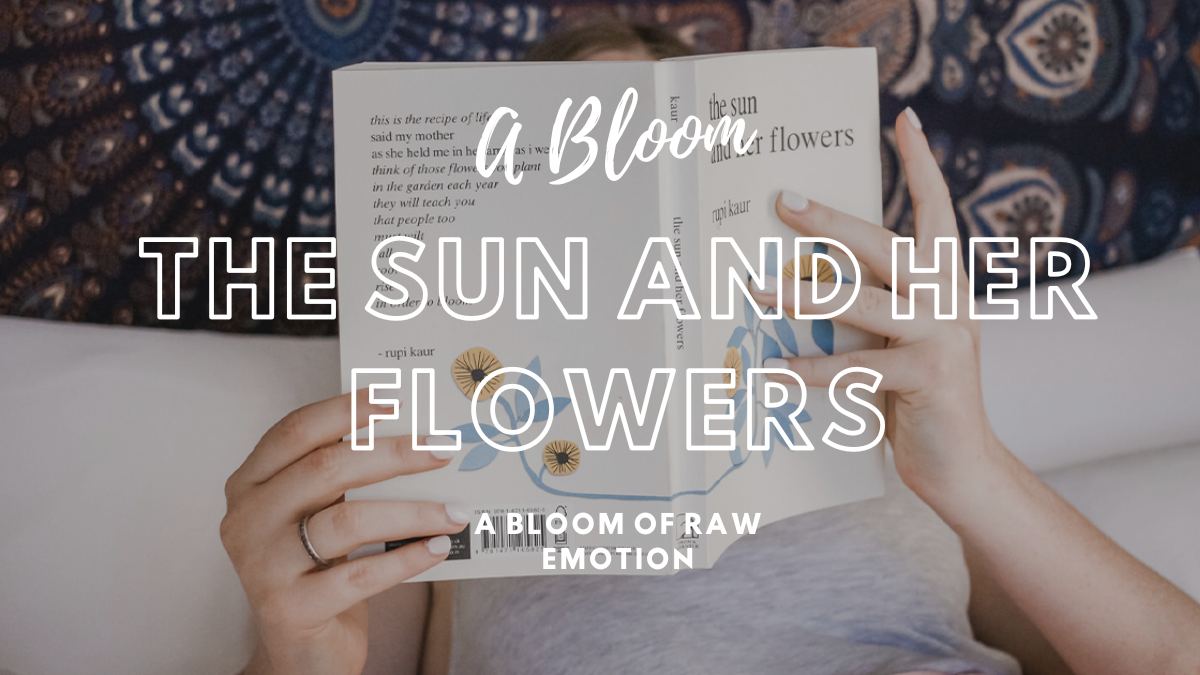
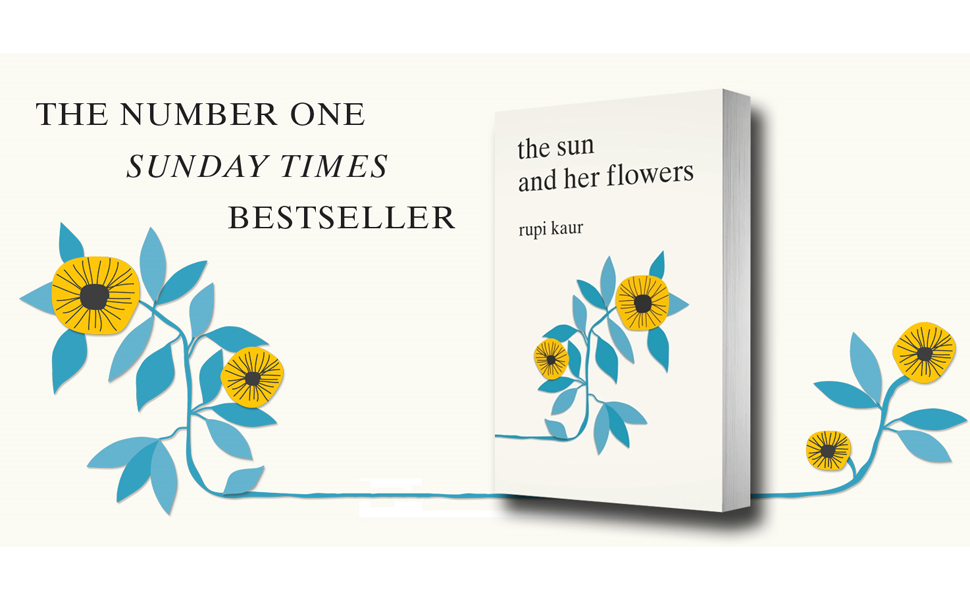
Also, the book is surprisingly popular! Like, really popular. It's been translated into dozens of languages and has sold millions of copies worldwide. Who knew that so many people were secretly yearning for emotionally resonant poetry accompanied by line drawings? Apparently, everyone. Even your grumpy uncle Bob (probably).
Now, some critics might say that Kaur's poetry is too simple, too sentimental, or too "Instagram-y." But you know what? I think that's part of its appeal. It's accessible. It's honest. And it's proof that you don't need to be Shakespeare to connect with people on a deep emotional level. (Although, let's be real, Shakespeare was pretty good.)
The Verdict: Should You Buy It?
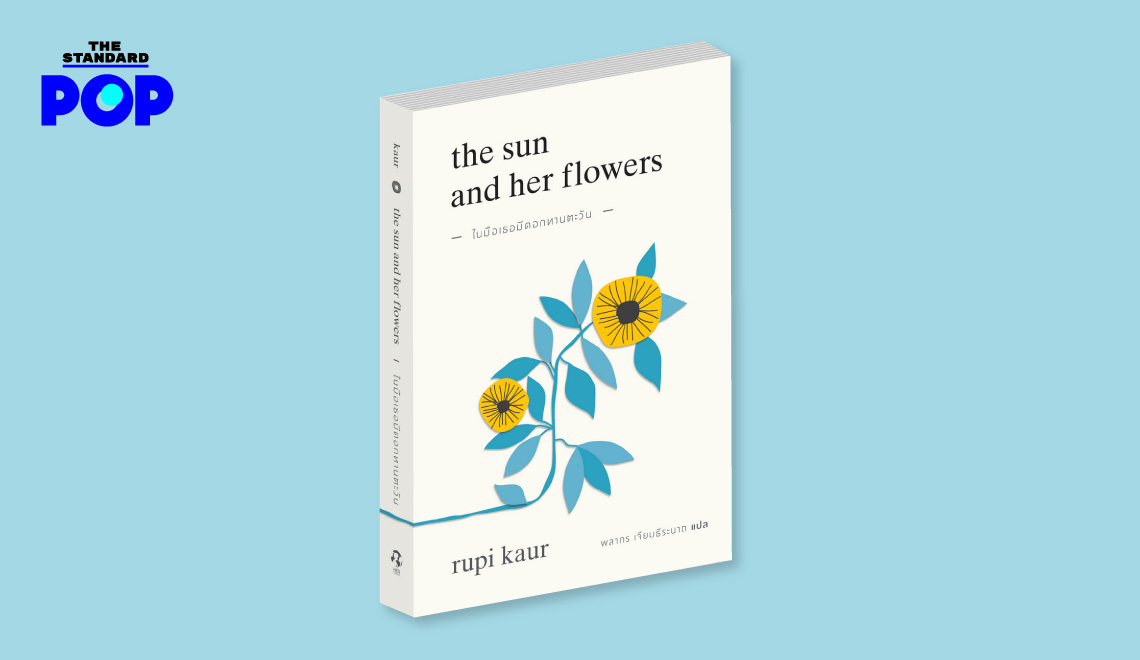
So, the million-dollar question: should you actually buy this book? Well, if you're looking for a challenging, intellectually demanding read that will leave you pondering the mysteries of the universe, maybe not. But if you're looking for a collection of poems that will make you feel seen, understood, and maybe even a little bit hopeful, then absolutely. Think of it as an investment in your emotional well-being. A slightly overpriced investment, perhaps, but an investment nonetheless. And hey, you can always regift it to your friend who's going through a rough patch. Just don't tell them you regifted it.
In conclusion, The Sun and Her Flowers is a bit like that friend who always knows exactly what to say to make you feel better, even when you're at your lowest. It's not a cure-all, but it's a good starting point. And who knows, maybe it will even inspire you to write your own poetry. Just promise me you won't use Comic Sans font. Please. For the love of all that is holy.
Now, if you'll excuse me, I'm going to go water my succulents. They're looking a little... wilting.