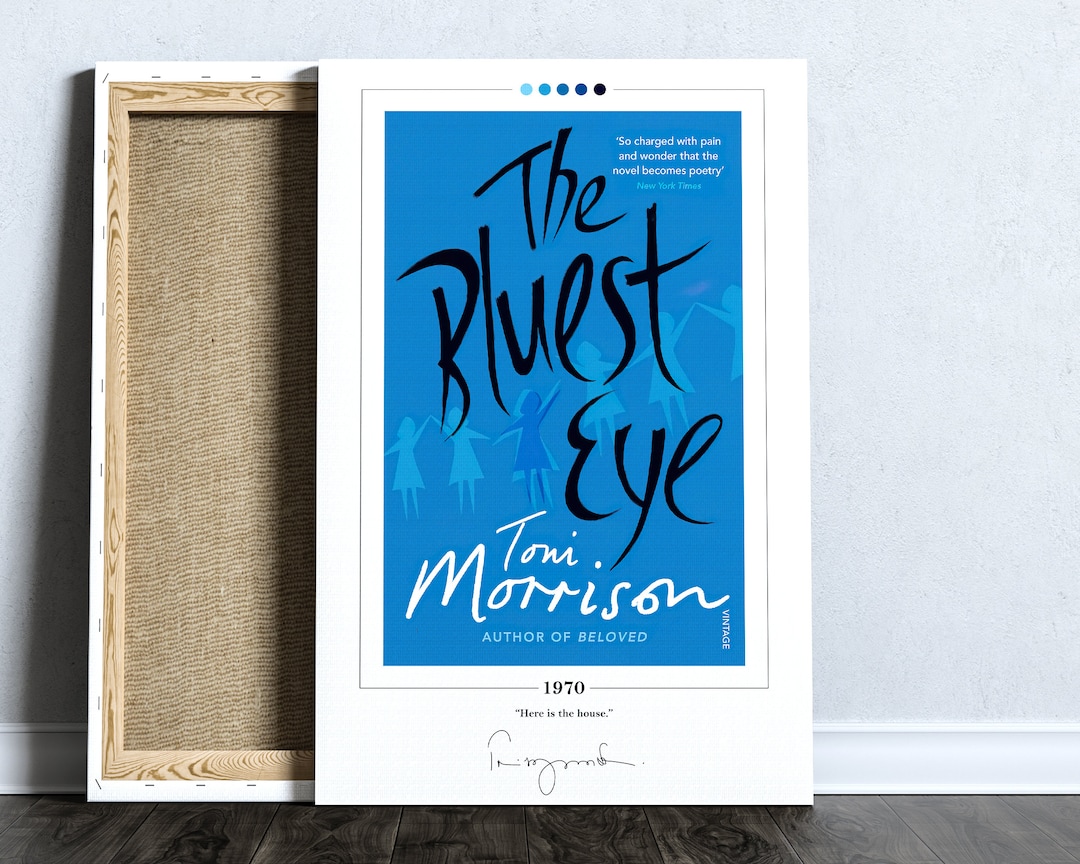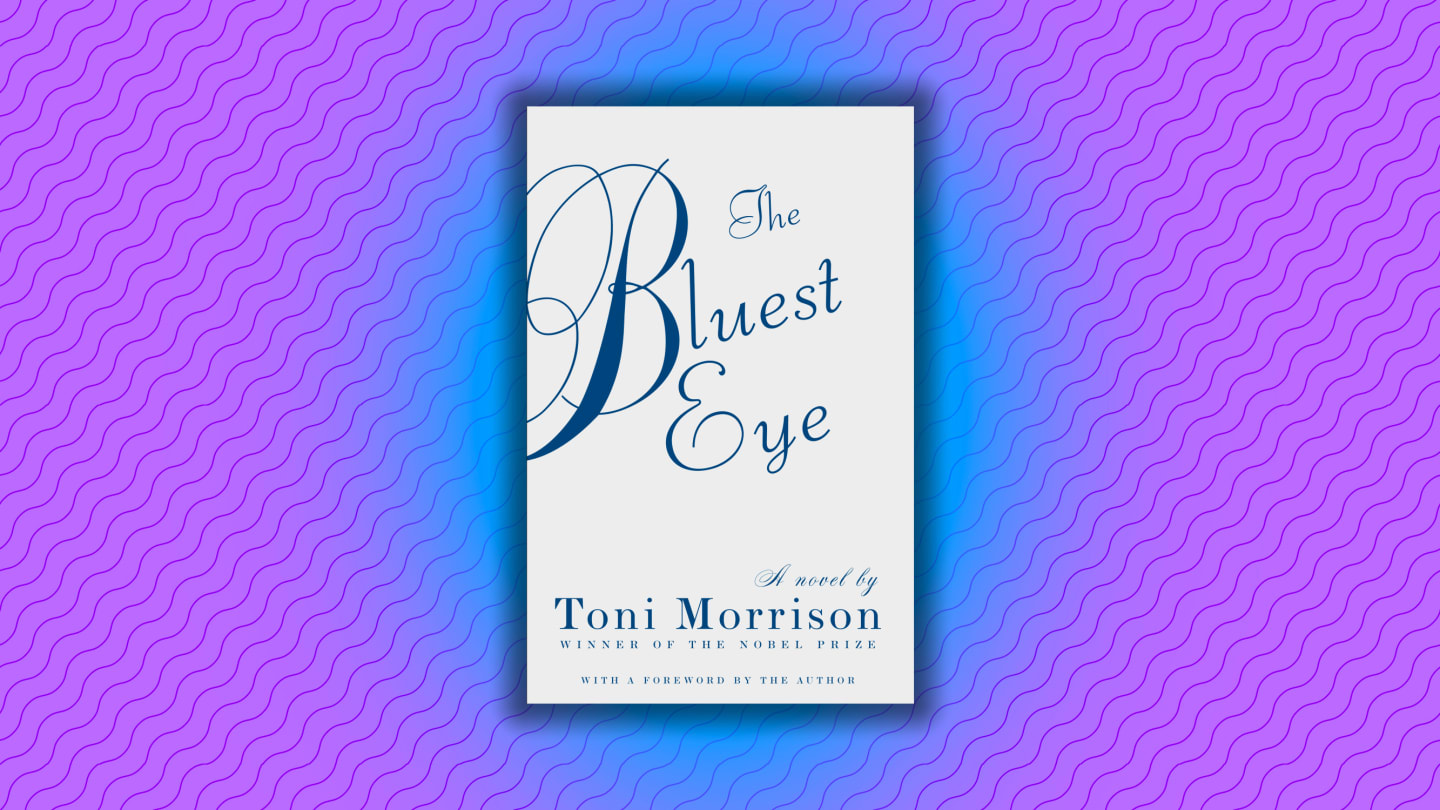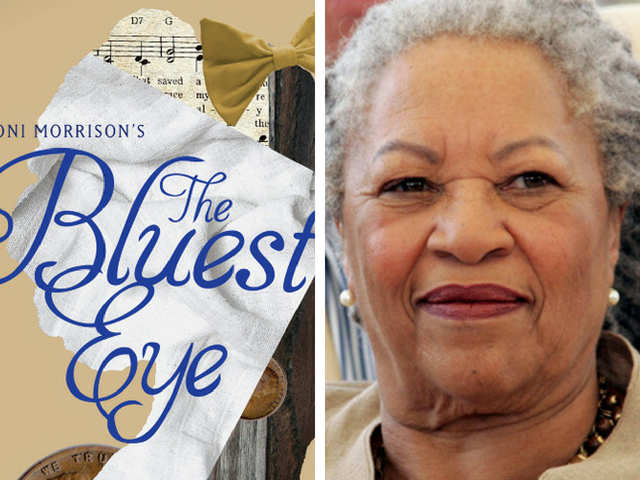
Toni Morrison The Bluest Eye
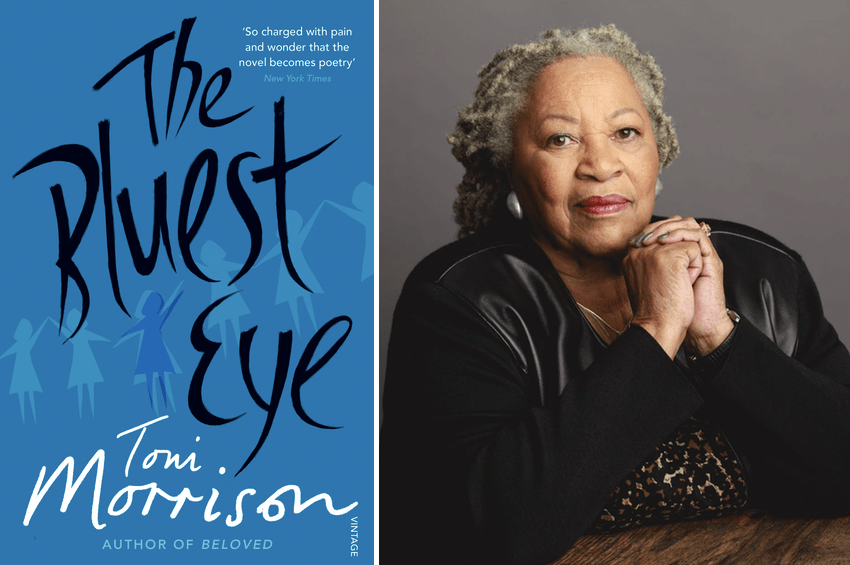
Okay, let's talk about Toni Morrison's The Bluest Eye. Heard of it? Maybe you had to read it in high school, maybe you’ve just seen it floating around on “must-read” lists. But seriously, what's the big deal? Why should you care? Well, buckle up, because this book is way more than just another assignment.
The Story: More Than Just "Girl Wants Blue Eyes"
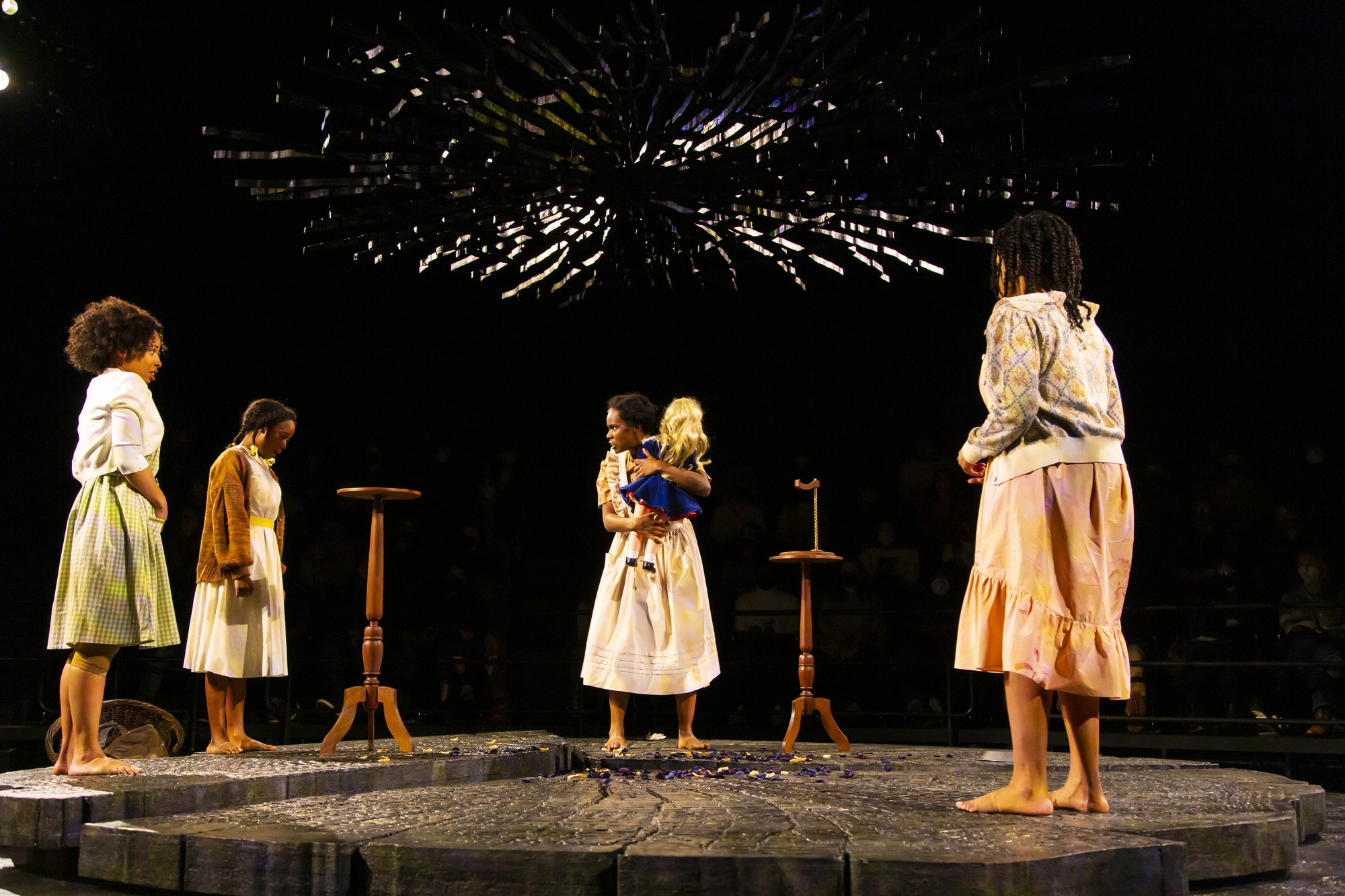
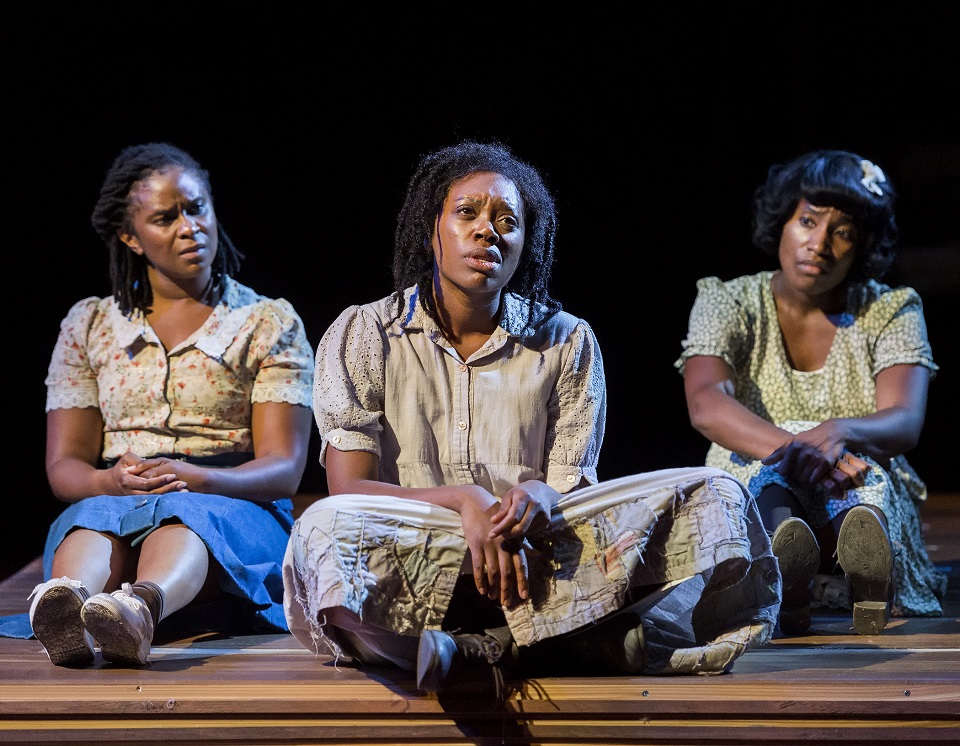
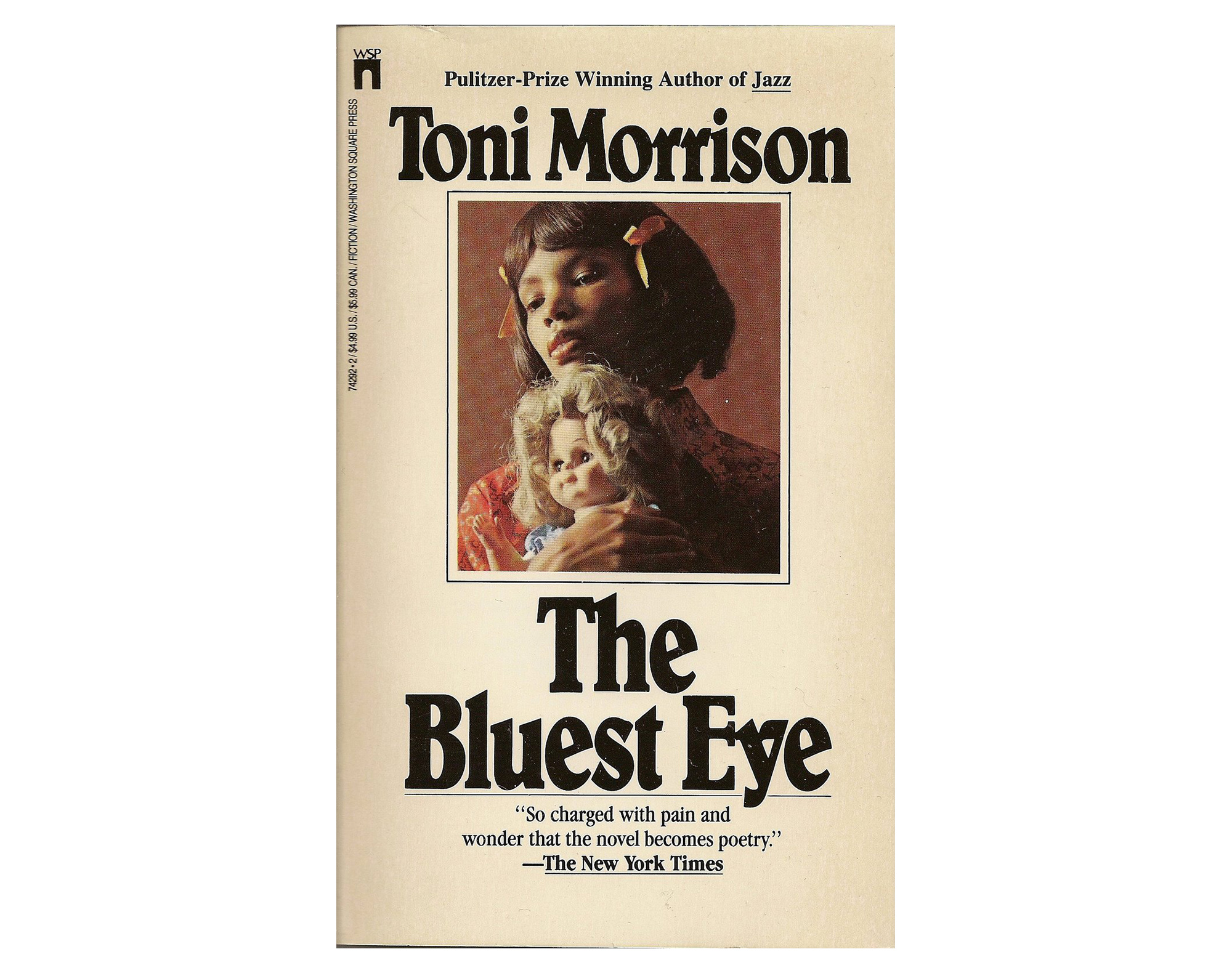
At first glance, the plot seems simple enough: Pecola Breedlove, a young Black girl growing up in 1940s Ohio, deeply desires blue eyes. She believes that if she only had blue eyes, she would be beautiful, and if she was beautiful, she would be loved. That’s the surface. But peel back a few layers, and you’ll find something much more complex and unsettling.
Think of it like an onion. You start with the outer layer - Pecola's longing. Then you dig deeper, and you encounter her incredibly dysfunctional family. And then you get to the societal pressures, the insidious racism that poisons everything. It's not just about a girl wanting blue eyes; it's about a whole system that tells her, from the moment she's born, that she is inherently worthless because of her skin color.
Must Read
What Makes It So Powerful?
- The Unflinching Honesty: Morrison doesn't shy away from the ugly truths of poverty, abuse, and racism. She doesn’t sugarcoat anything. It can be uncomfortable, even heartbreaking, to read, but it’s precisely this honesty that makes the book so impactful.
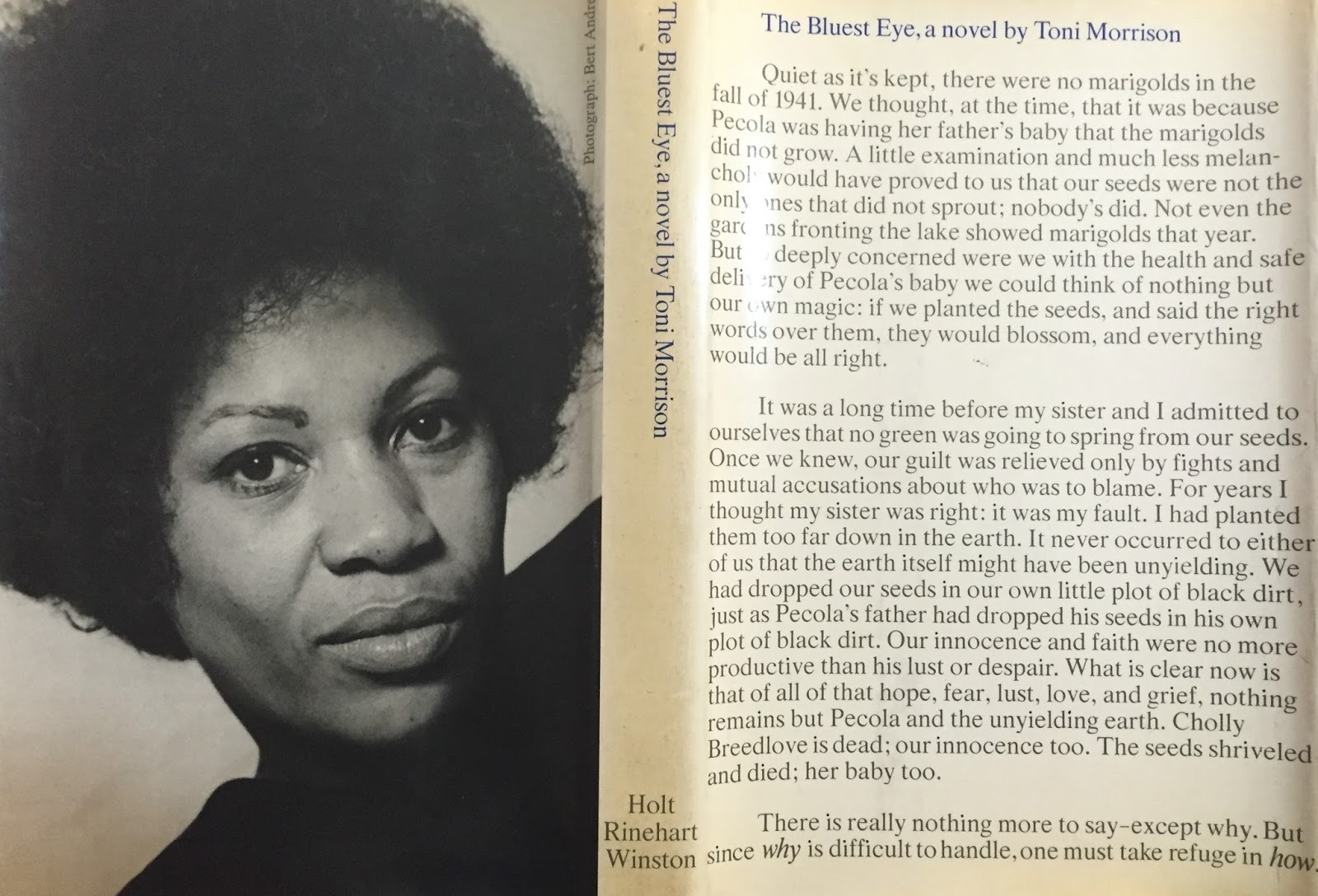
- The Beautiful Prose: Even though the story is often dark, Morrison's writing is absolutely gorgeous. She uses language like a painter uses brushstrokes, creating vivid images and emotions with every word. It's poetic and lyrical, even when describing the most difficult scenes.
- The Universal Themes: While the story is rooted in a specific time and place, the themes it explores – beauty standards, self-esteem, the impact of trauma – are sadly still relevant today. Haven't we all, at some point, felt inadequate because we didn't measure up to some arbitrary ideal?
The Bluest Eye: A Cultural Mirror
The Bluest Eye holds up a mirror to our society, reflecting back the distorted images of beauty and worth that we often internalize. It asks us to question: Where do these standards come from? Who benefits from them? And what is the cost of chasing them?
Imagine, for a second, that you’re watching a black-and-white movie. Everything seems simple, clear-cut. Then, The Bluest Eye comes along and suddenly splashes vibrant colors across the screen. It makes you see everything in a new light, forcing you to confront uncomfortable truths that you might have preferred to ignore. It’s like that moment when you realize your favorite childhood cartoon had a lot of dark undertones that you completely missed as a kid.
Why is it still relevant now?
In a world dominated by social media, filters, and carefully curated images, the pressure to conform to unrealistic beauty standards is arguably even greater than it was in Pecola’s time. We’re constantly bombarded with messages telling us that we need to be thinner, richer, more successful, more “perfect” in every way. And just like Pecola, many people internalize these messages and begin to hate themselves for not measuring up.
Consider the obsession with filters on Instagram and TikTok. People are literally changing their faces to fit an idealized image of beauty. Is that any different from Pecola wanting blue eyes? Isn't it the same desperate desire to be seen, to be accepted, to be loved?
More Than Just a "Depressing" Book
Okay, I get it. Reading about trauma and racism isn't exactly a walk in the park. Some people might even call The Bluest Eye a "depressing" book. But I think that's a simplistic way of looking at it. Yes, it's heartbreaking at times, but it's also incredibly powerful and ultimately, I think, hopeful. It's a book that stays with you long after you finish reading it, making you think about the world in a different way.
It's like watching a really intense documentary about a social injustice. It might make you feel sad and angry, but it can also inspire you to take action, to become part of the solution. The Bluest Eye can have that same effect. It challenges us to be more aware of the ways in which our society perpetuates harmful stereotypes and beauty standards, and to work towards creating a more just and equitable world for everyone.
Some things to ponder:
- The power of language: How does Morrison use language to create empathy for her characters, even when they make questionable choices?
- The role of community: How does the community in Lorain, Ohio, both support and fail Pecola?
- The meaning of beauty: What does The Bluest Eye teach us about the subjective and often destructive nature of beauty standards?
- The lasting impact of trauma: How does the trauma experienced by Pecola and other characters affect their lives and relationships?
So, Should You Read It?
Absolutely! If you're looking for a book that will challenge you, move you, and make you think, The Bluest Eye is a must-read. It’s not always easy, but it’s definitely worth it. Just be prepared to have your assumptions challenged and your perspective shifted. And maybe, just maybe, it will inspire you to see the world – and yourself – in a whole new way.
Think of it this way: Reading The Bluest Eye is like taking a really tough but rewarding yoga class. It might stretch you and push you to your limits, but in the end, you'll feel stronger, more flexible, and more connected to yourself and the world around you. And who knows, maybe you'll even gain a little bit of wisdom along the way.
Ready to dive in? Go for it! And don't be afraid to talk about it afterward. This is a book that's meant to be discussed, dissected, and debated. So, grab a copy, find a comfy chair, and prepare to be transformed.