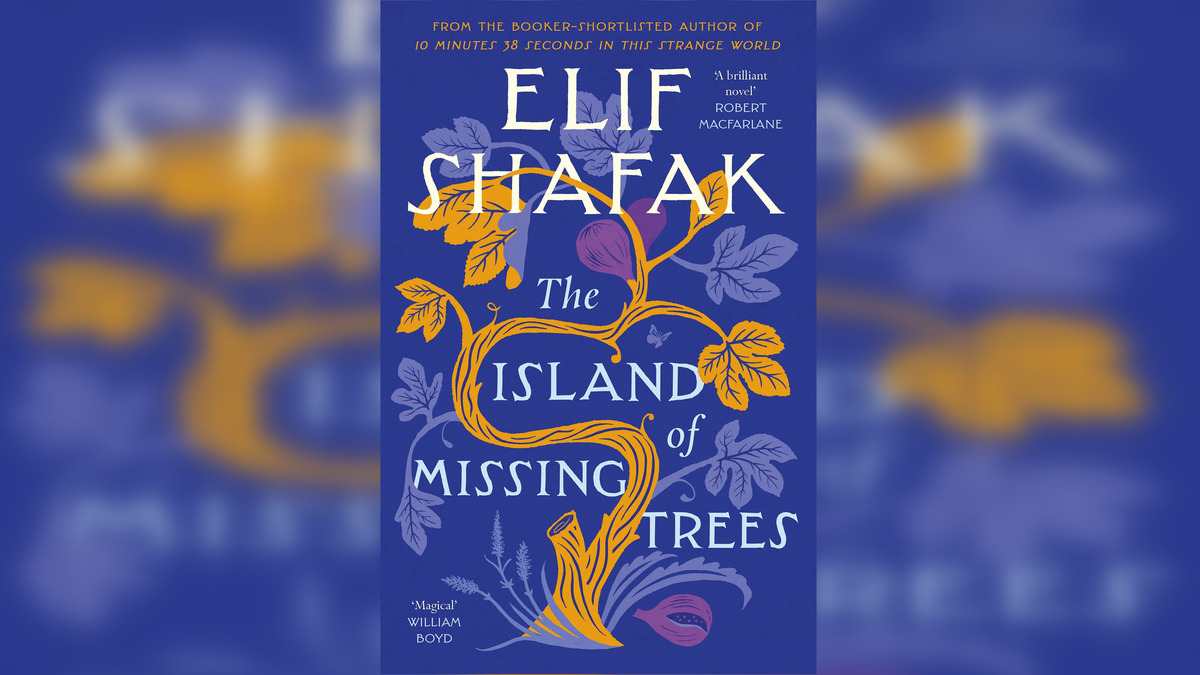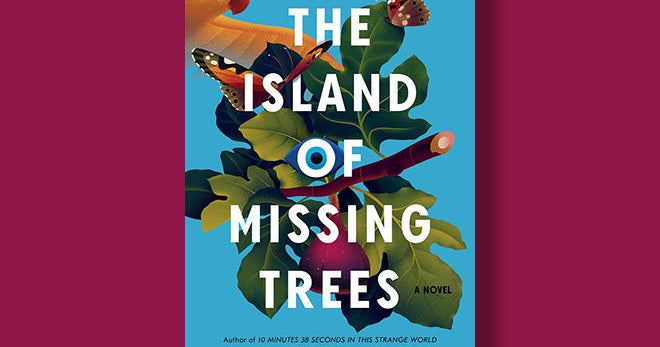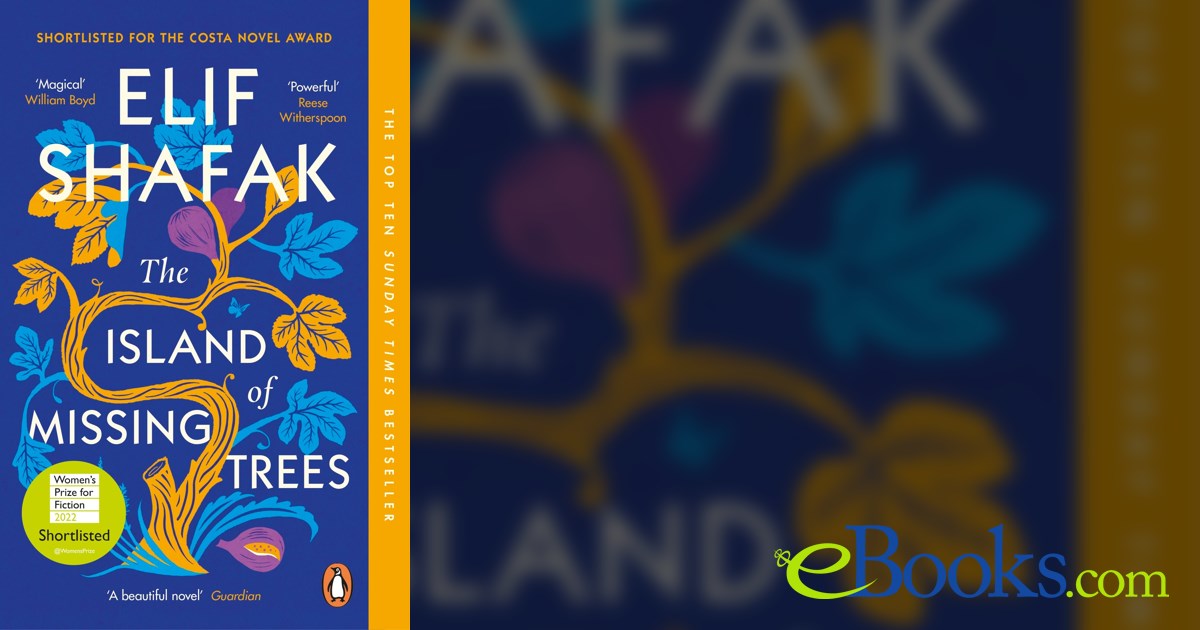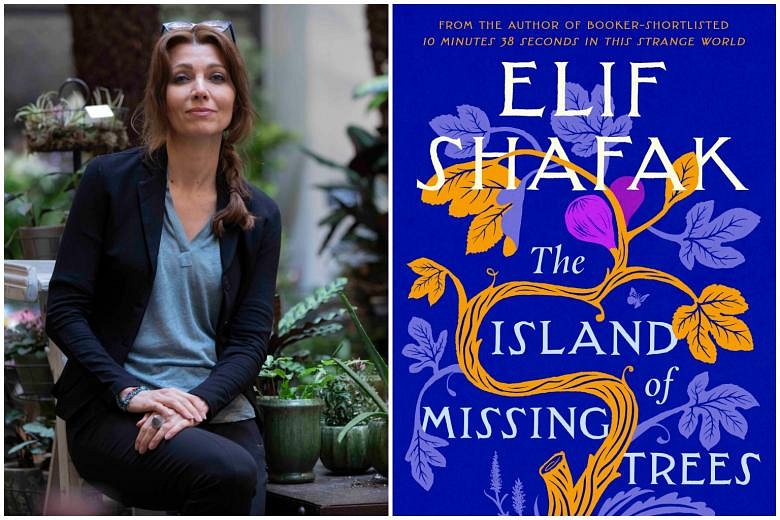
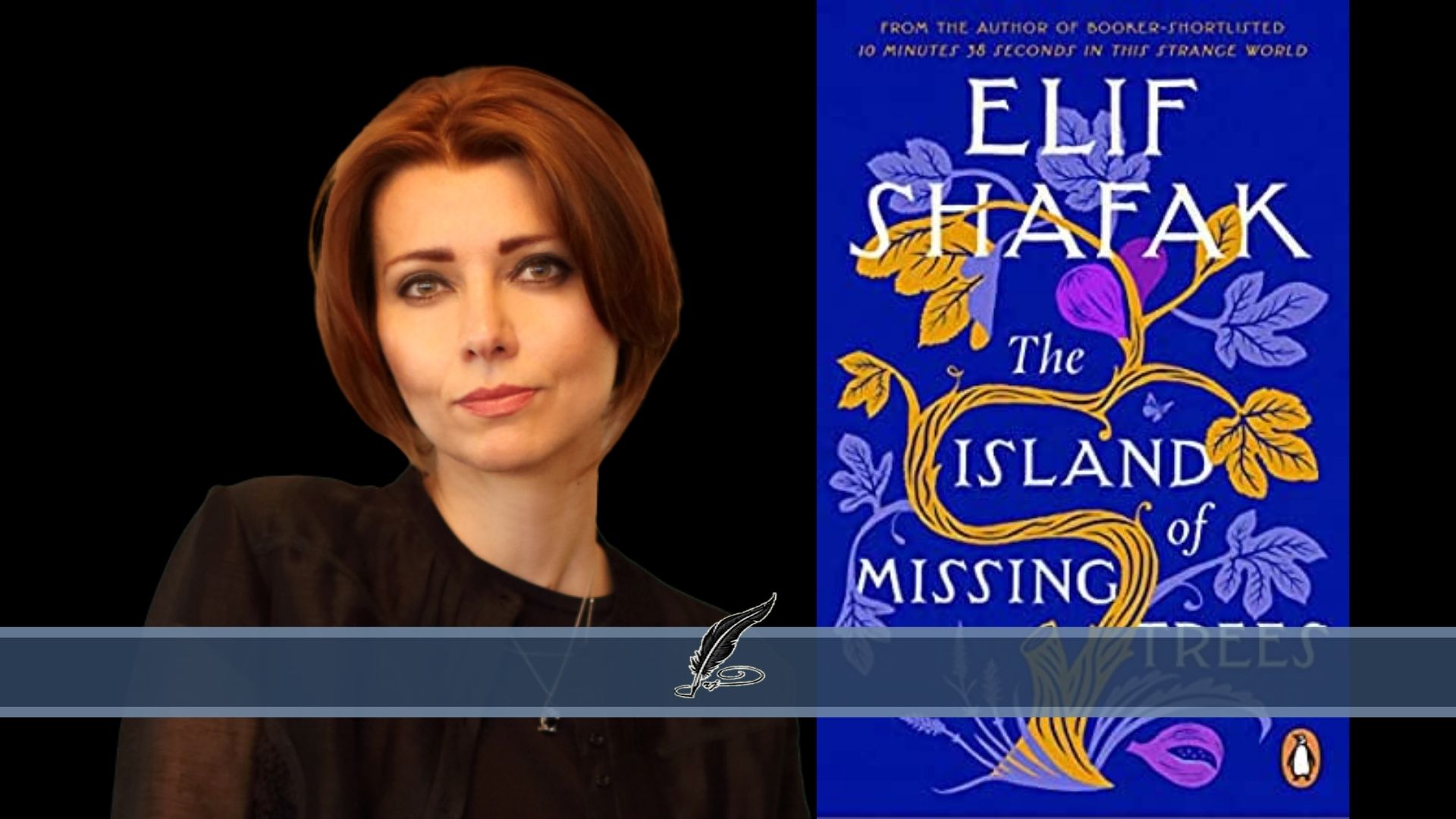
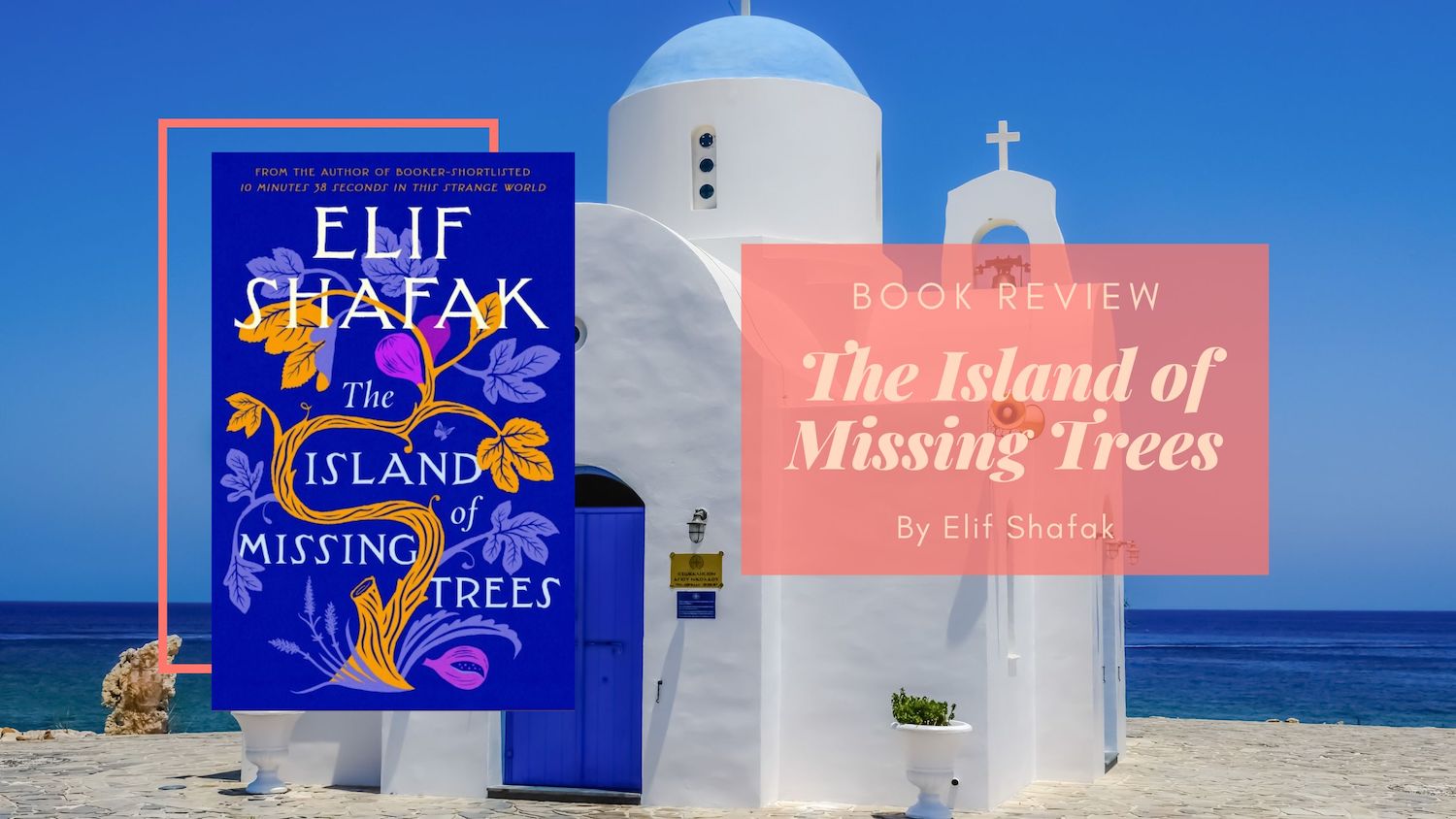
The Island Of Missing Trees
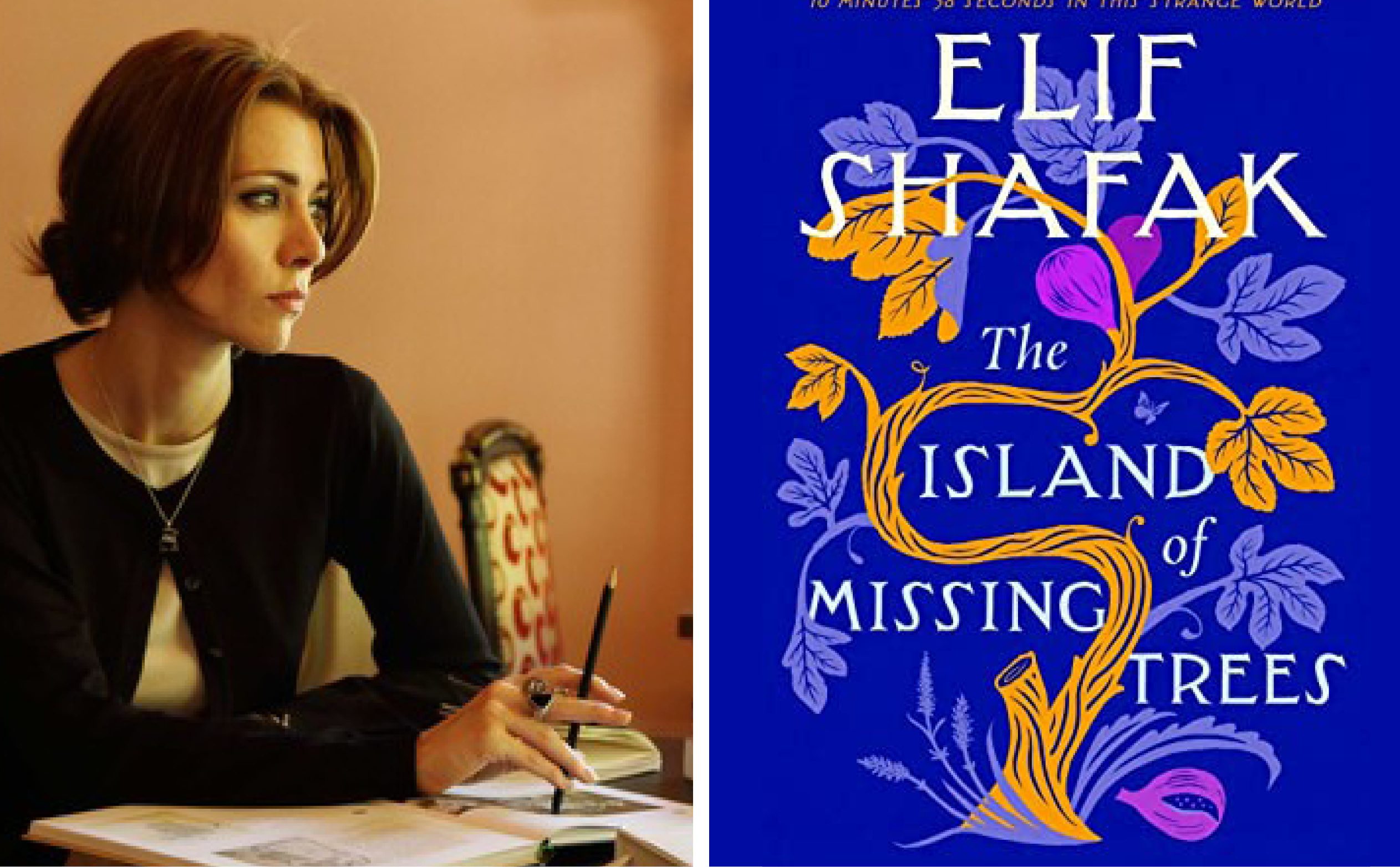
Okay, okay, gather 'round, people! Let me tell you about a book that's a bit like that weird, slightly eccentric uncle everyone has, you know? The Island of Missing Trees by Elif Shafak. It's got love, loss, a talking fig tree, and enough history to make you feel like you accidentally wandered into a lecture hall. But trust me, it's way more entertaining than it sounds. Think less snooze-fest, more "wait, did that tree just say what I think it said?"
So, buckle up, because we're diving into the world of forbidden romance, political turmoil, and arboreal wisdom. I'm telling you, you haven’t lived until you’ve heard relationship advice from a fig tree.
The Setup: Romeo and Juliet, Cyprus Style (But With Figs!)
Basically, picture this: Cyprus in the 1970s. It's divided, tensions are high, and two teenagers from opposite sides – Kostas, a Greek Cypriot, and Defne, a Turkish Cypriot – are desperately in love. They're meeting in secret at a taverna called "The Happy Fig," (which, let’s be honest, is a fantastic name for a taverna). Think Romeo and Juliet, but instead of Montagues and Capulets, we've got Greek and Turkish Cypriots. And instead of a balcony scene, we have… well, a taverna filled with the scent of grilled halloumi and forbidden love. Much tastier, I think!
Must Read
And here’s the kicker – the narrator isn't just some all-seeing, all-knowing voice from above. Oh no. It's a fig tree. Yes, you heard that right. A tree. Now, I know what you're thinking: "A talking tree? Is this Lord of the Rings all of a sudden?" But stick with me! This isn't your average Ent. This tree, which they call Ficus, is a witty, observant, and surprisingly emotional witness to everything that's going down. It's seen it all, from secret rendezvous to heartbreaking goodbyes. It’s basically the taverna’s nosy neighbour, but with roots.
The Love Story That Will Make You Want to Plant a Tree (And Maybe Bake a Fig Cake)
Kostas and Defne's love story is the heart of the book. It’s beautiful, passionate, and ultimately, tragic. They're young, hopelessly in love, and completely oblivious to the political storm brewing around them. They spend their days stealing kisses behind the fig tree, whispering promises, and dreaming of a future where they can be together, out in the open. It's all very sweet and innocent… until, you know, everything falls apart.
The Cyprus conflict throws a massive wrench in their plans. The island is torn apart, families are displaced, and suddenly, their secret meetings are no longer just risky, they're downright dangerous. Imagine trying to sneak out to see your crush when there are actual armed soldiers patrolling the streets. Talk about a mood killer!
The Great Escape (And the Guilt That Follows)
Without giving too much away (because spoilers are the enemy!), Kostas eventually flees Cyprus, leaving Defne behind. He carries the weight of that decision with him for years. He starts a new life in England, becoming an ecologist – because apparently, studying trees is his way of dealing with the trauma of leaving his true love behind. Hey, we all cope in our own ways, right?
Defne, on the other hand, stays in Cyprus and… well, her story is a lot more complicated. I won’t spoil it but let's just say she makes a life for herself, but the memories of Kostas and the trauma of the war never truly leave her. The island becomes her prison, both physically and emotionally.
Years Later: A Reunion (With a Twist!)
Decades later, Kostas and Defne's paths cross again, thanks to their daughter, Ada. Ada, who grew up in London with a father who's constantly talking to trees and a mother who's a complete enigma, is understandably a bit confused about her parents’ past. She feels the weight of the unspoken, the secrets that have been buried deep within their hearts. Basically, she's the catalyst for them to finally confront their past and unpack all that emotional baggage. It's like a therapy session, but with more awkward silences and meaningful glances. Oh, and plenty of fig-related metaphors, courtesy of our narrator, Ficus.
The Talking Fig Tree: More Than Just a Novelty
Now, let's talk about the real star of the show: Ficus, the fig tree. You might think a talking tree is just a gimmick, a quirky little detail added for the sake of novelty. But Ficus is so much more than that! It’s not just a narrator; it’s a symbol of memory, resilience, and the interconnectedness of all living things. Plus, it has a surprisingly dry wit, which makes for some genuinely funny moments. I mean, who wouldn't want a tree cracking jokes about human behavior?

Ficus has seen everything. It remembers the laughter, the tears, the whispered secrets, and the devastating violence. It’s a living archive of the island's history, a testament to the enduring power of nature and the enduring pain of conflict. It uses it's extensive knowledge about trees to explain human behaviours. Imagine reading about relationship advice from a tree and actually considering that advice. Shafak masterfully pulls this off.
Why You Should Read This Book (Even If You Hate Talking Trees)
Okay, so why should you bother reading The Island of Missing Trees? Here’s the lowdown:
- It's a beautiful love story. Even if it's a heartbreaking one.
- It sheds light on a little-known conflict. Cyprus isn't exactly the first place that comes to mind when you think of political turmoil. This book offers a nuanced and deeply personal look at the impact of the conflict on ordinary people.
- The writing is gorgeous. Elif Shafak is a master storyteller. She weaves together past and present, reality and myth, in a way that is both captivating and thought-provoking. You'll be highlighting passages left and right.
- It's funny! Yes, even with all the heavy themes, there are moments of genuine humor, mostly thanks to our sassy fig tree narrator.
- You might actually learn something. You might learn about Cyprus, you might learn about the resilience of nature, or you might just learn that even trees have feelings (okay, maybe not literally).
But seriously, this book is more than just a good read. It's a meditation on memory, loss, and the enduring power of love. It’s a reminder that even in the darkest of times, hope can still bloom, just like a tiny fig emerging from a crack in the pavement.
So, go ahead, pick up a copy. You might just find yourself talking to the plants in your living room afterwards. Don't say I didn't warn you!
Just a heads up: You might also crave a fig roll after reading this book. Consider yourself warned.