Film Meisje Met Het Rode Haar

The film Meisje Met Het Rode Haar (The Girl With The Red Hair), released in 1981, remains a powerful and thought-provoking cinematic experience. This article aims to delve into the film's themes, historical context, and lasting impact, offering a comprehensive analysis for both seasoned viewers and those new to this compelling story. We'll explore what makes this film such a significant piece of Dutch cinema, examining its strengths and providing context for understanding its enduring relevance. This analysis seeks to illuminate the film’s power and offer a deeper understanding of its themes and artistic merit.
Introduction: A Story of Resistance
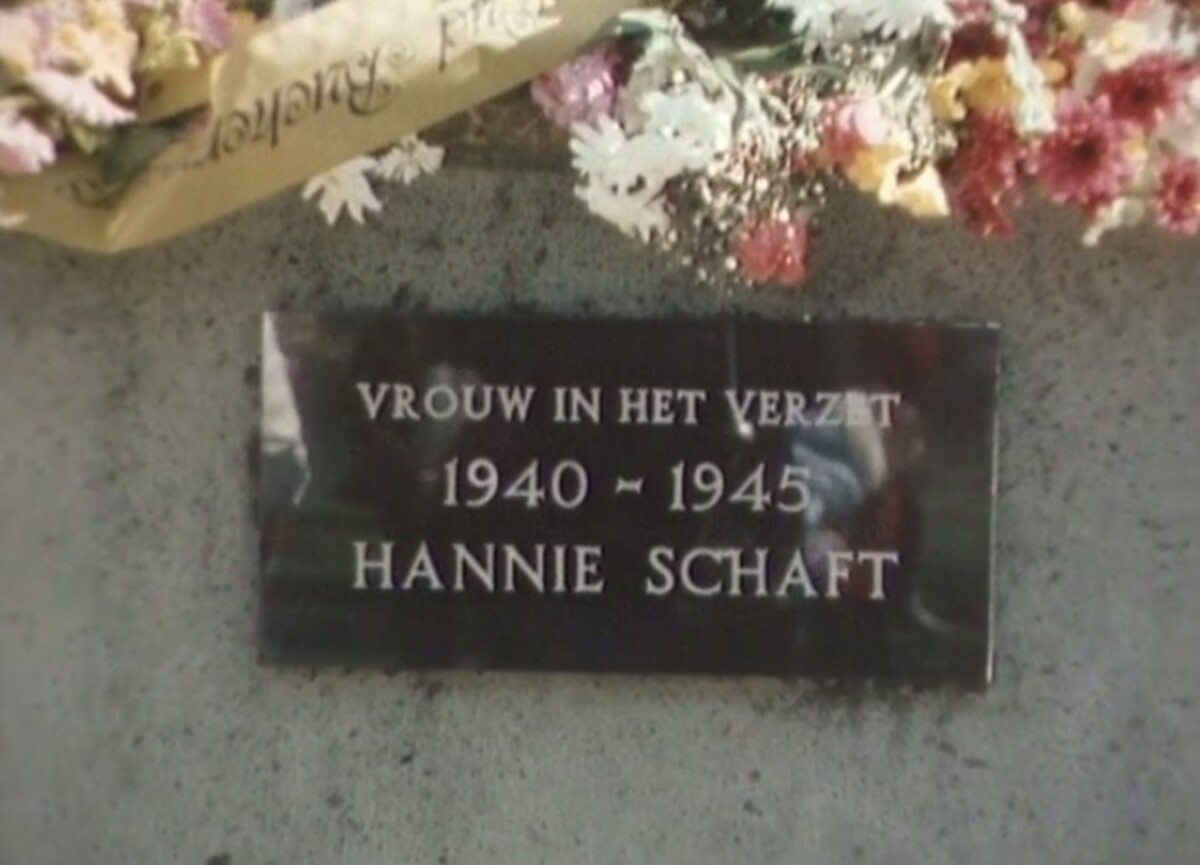
Imagine being forced to choose between survival and your beliefs. This is the dilemma facing the protagonist of Meisje Met Het Rode Haar. Based on the true story of Hannie Schaft, a Dutch resistance fighter during World War II, the film portrays her transformation from a law student into a fearless saboteur fighting against the Nazi occupation. Her story, though specific to a particular time and place, resonates with universal themes of courage, sacrifice, and the moral complexities of war.
The film, directed by Ben Verbong, offers a harrowing and intimate portrayal of Hannie's experiences. It doesn’t shy away from depicting the brutality of the occupation, nor does it gloss over the moral ambiguities inherent in resistance movements. The film's power lies in its ability to connect us with Hannie's internal struggles and the weighty decisions she faced.
Must Read
Historical Context: The Dutch Resistance
To fully appreciate Meisje Met Het Rode Haar, it's crucial to understand the historical backdrop of the Dutch resistance. Following the German invasion in May 1940, the Netherlands fell under Nazi occupation. While some collaborated with the regime, others formed resistance groups, engaging in various acts of defiance, ranging from spreading anti-Nazi propaganda to sabotaging infrastructure and assisting Jews and other persecuted groups.
Forms of Resistance:
- Propaganda: Distributing leaflets and underground newspapers to counter Nazi propaganda and boost morale.
- Sabotage: Disrupting German operations by sabotaging railways, factories, and other strategic targets.
- Assistance to Jews: Hiding Jewish people and providing them with forged documents and safe passage.
- Armed Resistance: Carrying out assassinations of Nazi officials and collaborators.
The resistance movement was diverse, encompassing people from all walks of life. They faced immense risks, including torture, imprisonment, and execution. Meisje Met Het Rode Haar effectively captures the atmosphere of constant fear and uncertainty that permeated life under Nazi occupation and underscores the immense courage required to resist.
The Character of Hannie Schaft: A Relatable Heroine
Renée Soutendijk delivers a compelling performance as Hannie Schaft, portraying her not as a mythical figure, but as a flawed and relatable young woman. The film emphasizes Hannie's initial reluctance to engage in violence, highlighting her moral reservations and the internal conflict she experiences as she becomes increasingly involved in acts of resistance. This internal conflict is a key element of the film, making Hannie’s story all the more poignant.
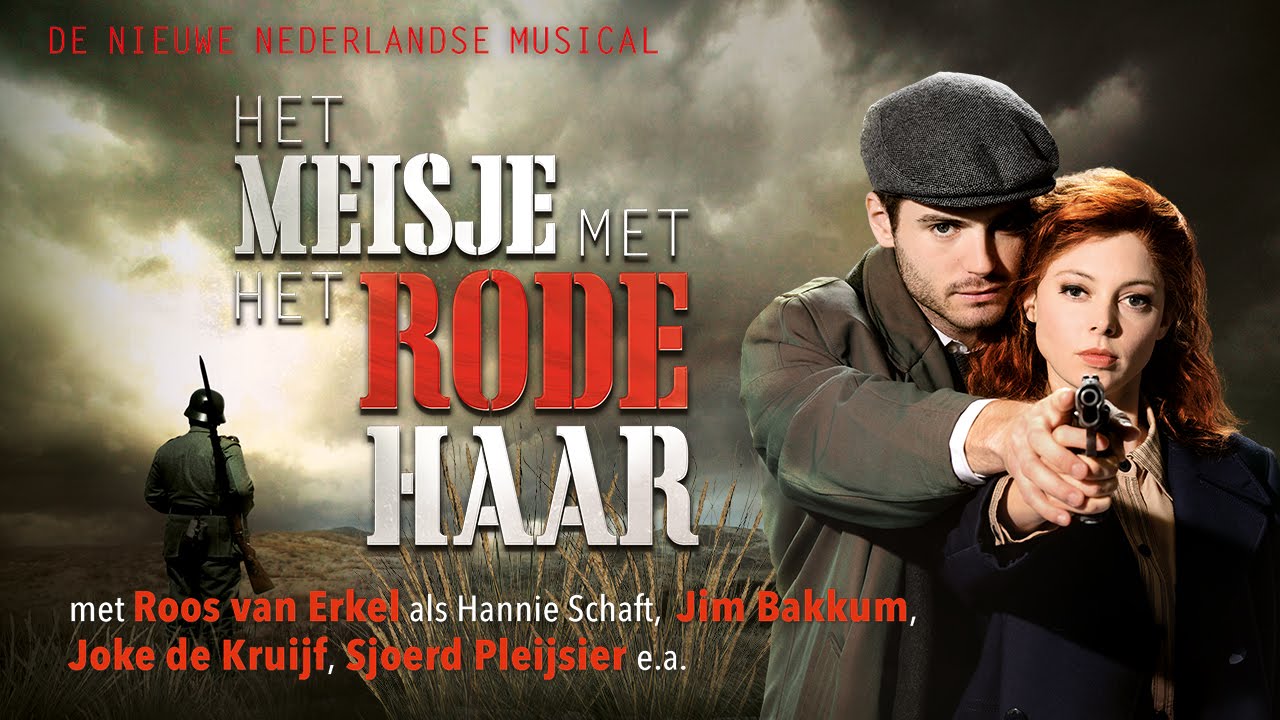
We see Hannie grapple with the consequences of her actions, questioning the morality of taking human life, even in the context of war. The film doesn't present her as a perfect hero, but rather as a complex individual struggling to maintain her humanity in the face of unimaginable cruelty. Her transformation is gradual and believable, making her ultimately a more compelling and believable character. This realism makes her choices feel more significant and impactful.
Themes Explored: Courage, Sacrifice, and Morality
Meisje Met Het Rode Haar explores several profound themes that continue to resonate with audiences today:
Courage in the Face of Fear:
The film highlights the extraordinary courage of ordinary people who risked their lives to resist oppression. Hannie's journey exemplifies this, showcasing her growing strength and resolve in the face of constant danger. Witnessing her bravery inspires us to reflect on our own capacity for courage in challenging situations.
The Cost of Resistance:
The film doesn't shy away from depicting the brutal realities of war and the sacrifices demanded by resistance. Hannie's experiences illustrate the psychological toll of violence and the devastating consequences of her actions, both for herself and those around her. It underscores the heavy burden borne by those who choose to fight against injustice.
Moral Ambiguity:
The film delves into the moral complexities of war, forcing viewers to confront difficult questions about the justifications for violence and the ethical dilemmas faced by resistance fighters. There are no easy answers presented, and the film encourages critical reflection on the moral implications of political action. The film emphasizes that resistance isn't always black and white, but often filled with gray areas that demand careful consideration.
The Power of Individual Action:
Despite the overwhelming power of the Nazi regime, the film emphasizes the impact that individual actions can have. Hannie's contributions to the resistance, though seemingly small in the grand scheme of things, played a crucial role in disrupting German operations and undermining their authority. It's a testament to the fact that even seemingly insignificant acts of defiance can make a difference.
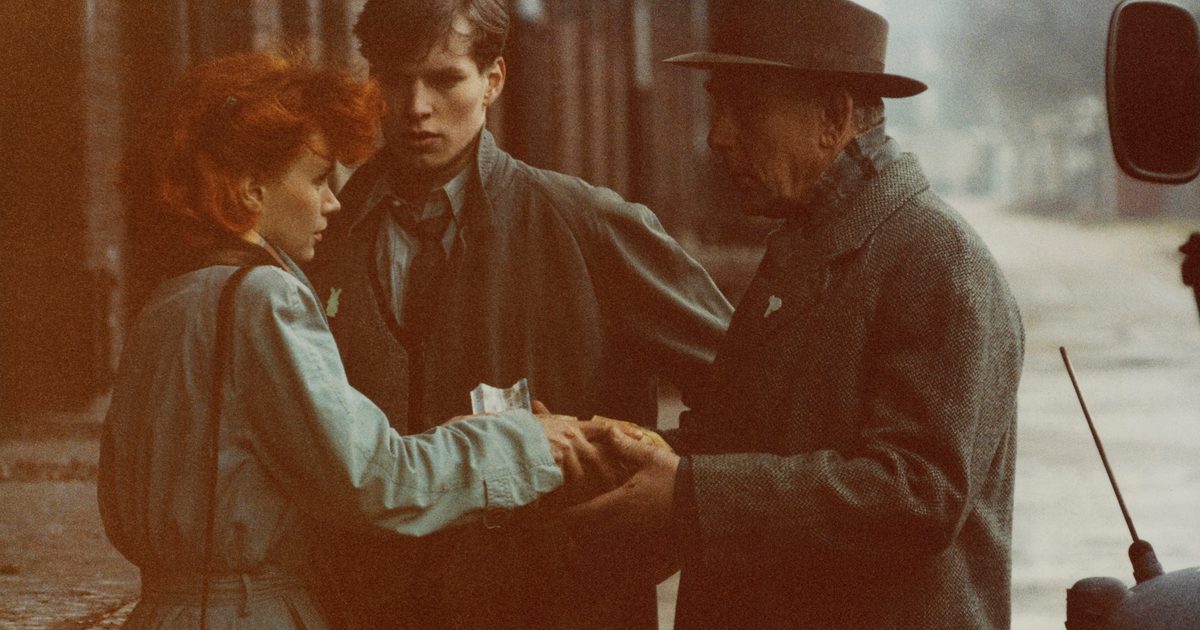
Cinematic Techniques and Visual Storytelling
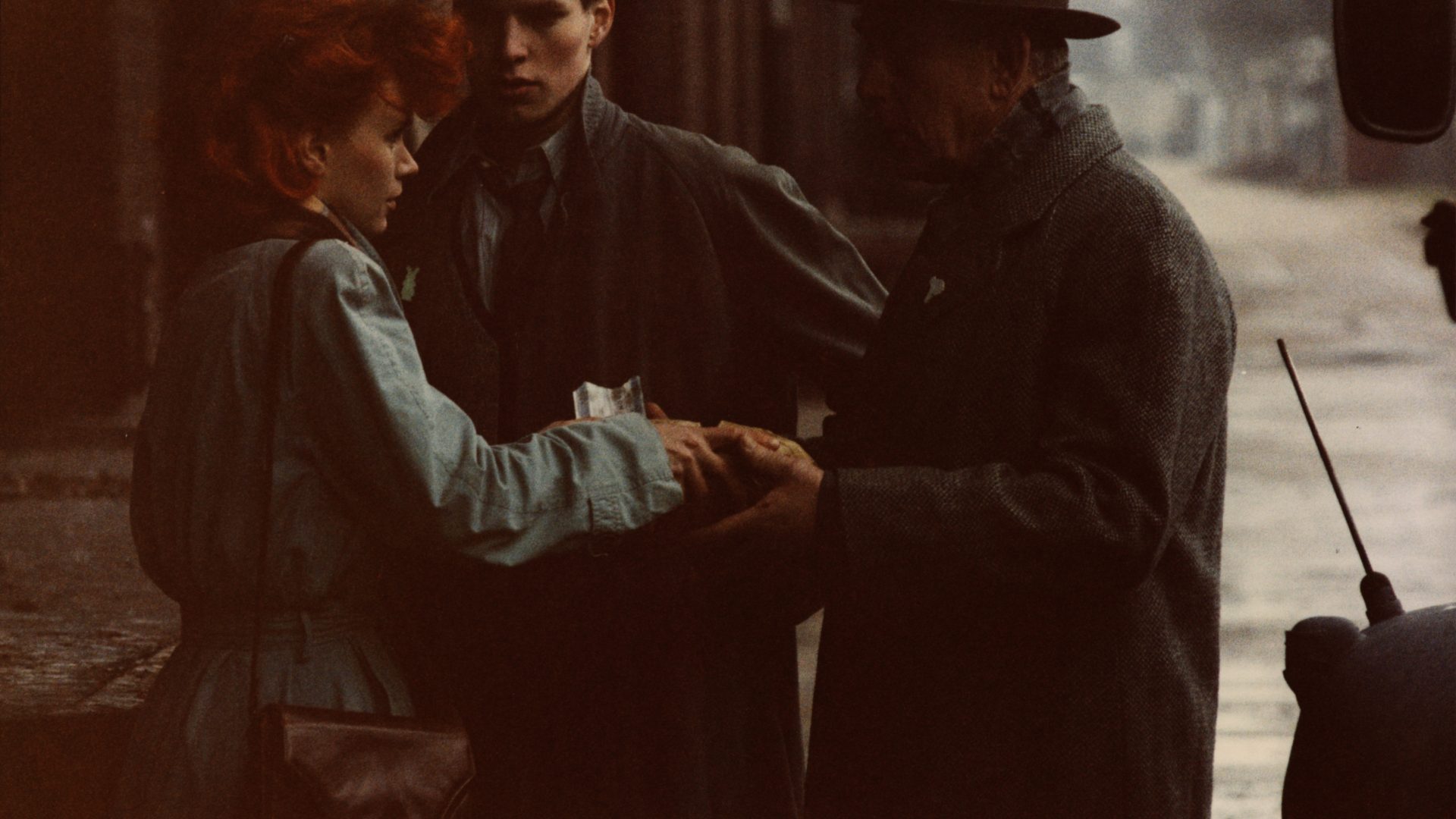
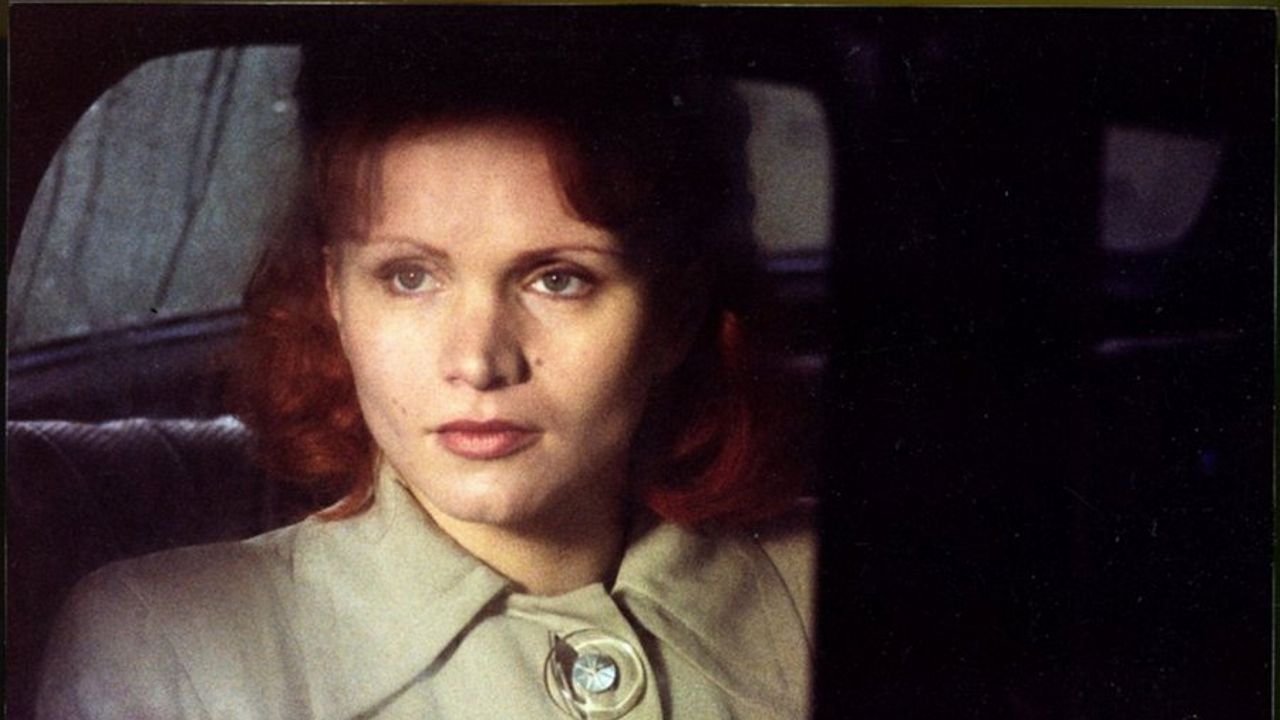
Director Ben Verbong employs a range of cinematic techniques to enhance the film's emotional impact. The use of muted colors and somber lighting creates a palpable sense of tension and oppression. Close-up shots of Hannie's face reveal her inner turmoil and emotional state. The pacing of the film is deliberate, allowing viewers to fully absorb the weight of each scene and the gravity of Hannie's decisions.
- Muted Colors: Enhance the feeling of oppression and despair.
- Close-up Shots: Reveal Hannie's emotional state and inner turmoil.
- Deliberate Pacing: Allows viewers to absorb the weight of each scene.
The film also makes effective use of symbolism. The red hair, initially a symbol of Hannie's youthful vitality, becomes increasingly associated with danger and defiance as she becomes more deeply involved in the resistance. This visual motif reinforces the film's central themes of transformation and sacrifice. The soundtrack, too, contributes to the overall mood, creating a sense of unease and suspense.
The Film's Legacy and Relevance Today
Meisje Met Het Rode Haar remains a powerful and relevant film for several reasons. It serves as a reminder of the horrors of war and the importance of resisting oppression. It also offers a valuable lesson about the courage and sacrifices required to defend freedom and justice. The film's exploration of moral ambiguity and the psychological toll of violence continues to resonate with audiences today, prompting reflection on the complexities of conflict and the importance of ethical decision-making.

Beyond its historical significance, the film's themes of courage, sacrifice, and the power of individual action remain timeless. In a world still plagued by injustice and oppression, Hannie Schaft's story continues to inspire us to stand up for what is right, even in the face of overwhelming odds. The film also serves as a crucial reminder of the dangers of complacency and the importance of remaining vigilant in the defense of human rights.
Criticism and Interpretations
While widely praised, Meisje Met Het Rode Haar has also faced some criticism. Some critics have argued that the film romanticizes violence or that it simplifies the complexities of the Dutch resistance. Others have suggested that the film focuses too heavily on Hannie's personal experiences, neglecting the broader context of the war and the contributions of other resistance fighters. However, even these critics generally acknowledge the film's power and emotional impact.
Different viewers may interpret the film in different ways, depending on their own perspectives and experiences. Some may see Hannie as a purely heroic figure, while others may focus on her flaws and the moral compromises she makes. Ultimately, the film's strength lies in its ability to provoke thought and encourage dialogue about important ethical and political issues. It serves as a starting point for discussions about the nature of resistance, the consequences of war, and the responsibility of individuals to stand up for what they believe in.
Conclusion: A Timeless Story of Courage
Meisje Met Het Rode Haar is more than just a historical drama; it's a powerful and moving story about courage, sacrifice, and the enduring human spirit. It’s a film that stays with you long after the credits roll, prompting reflection on the difficult choices we face in times of crisis and the importance of standing up for what is right. By exploring the complexities of the Dutch resistance and the personal struggles of Hannie Schaft, the film offers a valuable lesson about the importance of freedom, justice, and the enduring power of individual action. So, take the time to watch it, reflect on its meaning, and remember the sacrifices made by those who fought for a better world. It is a film that deserves to be seen and discussed for generations to come, serving as a reminder of the importance of historical awareness and the ongoing struggle for human rights. Don't miss the opportunity to experience this powerful and unforgettable film.