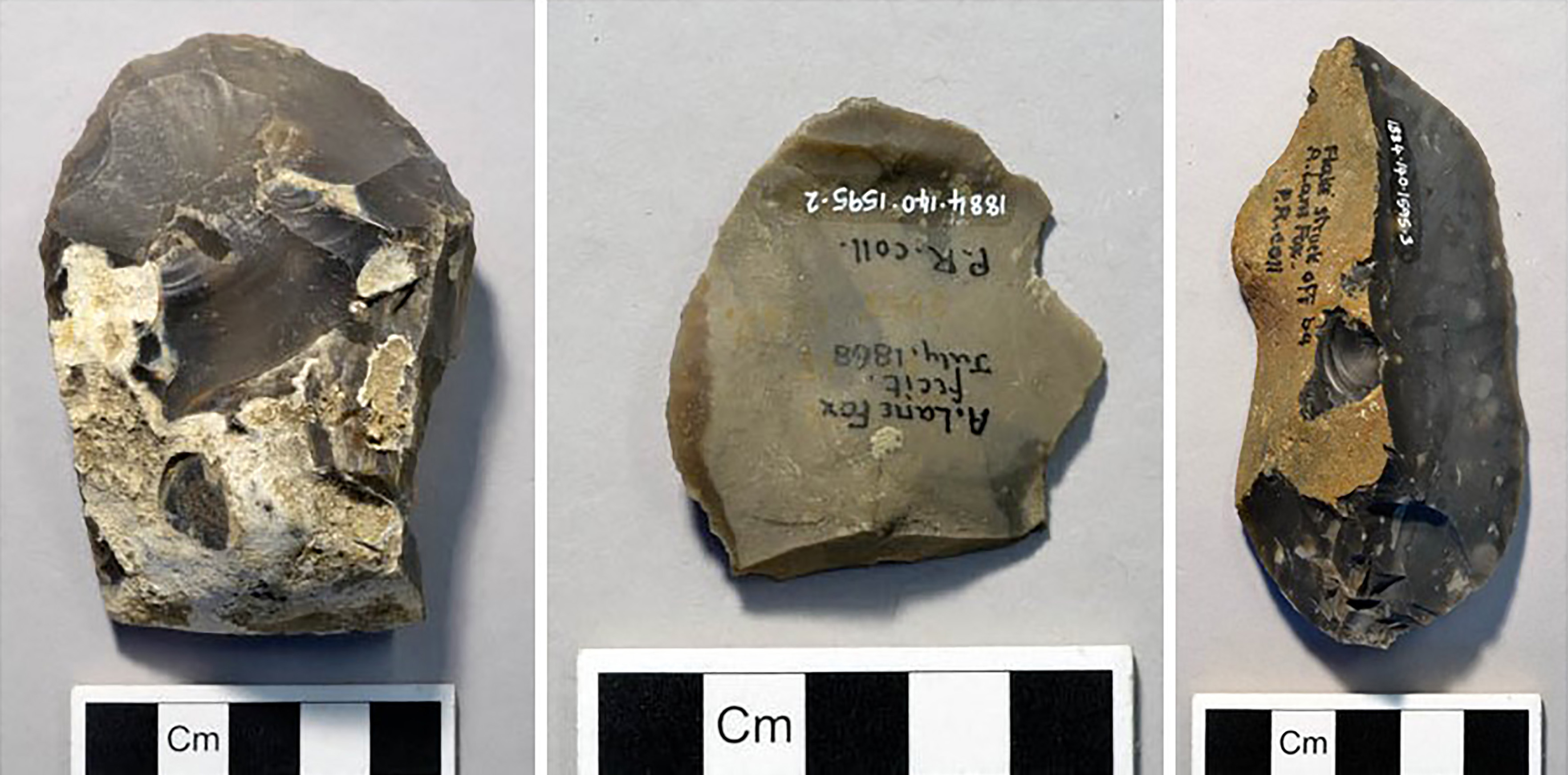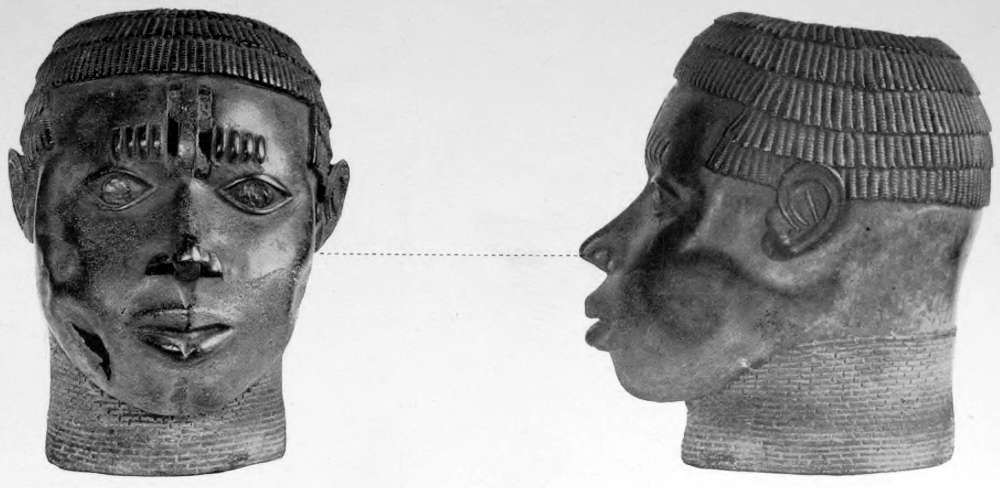
Augustus Lane Fox Pitt Rivers
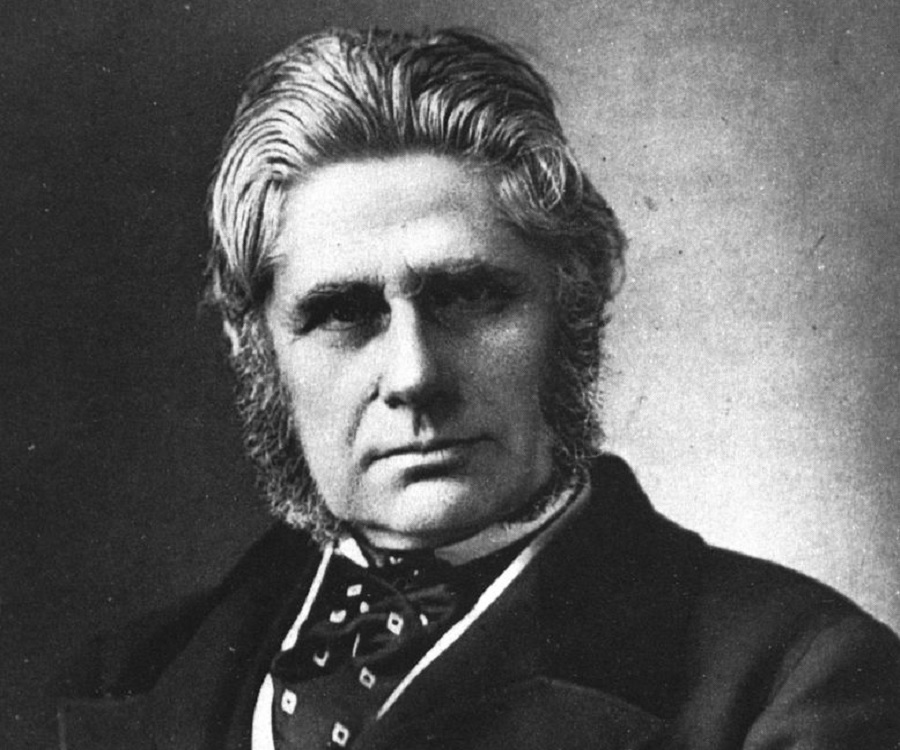
Okay, picture this: you're at a hip café, latte in hand, and I'm about to drop some knowledge bombs about a dude so fascinating, he makes Indiana Jones look like a librarian with a paper cut. I'm talking about Augustus Lane Fox Pitt Rivers. Yeah, try saying that five times fast. His name alone sounds like he should be leading a regiment of Victorian explorers fighting a rogue mechanical elephant... and honestly, he kind of did, minus the elephant. Well, metaphorical elephants, perhaps. He was that impactful.
The Man, the Myth, the Moustache
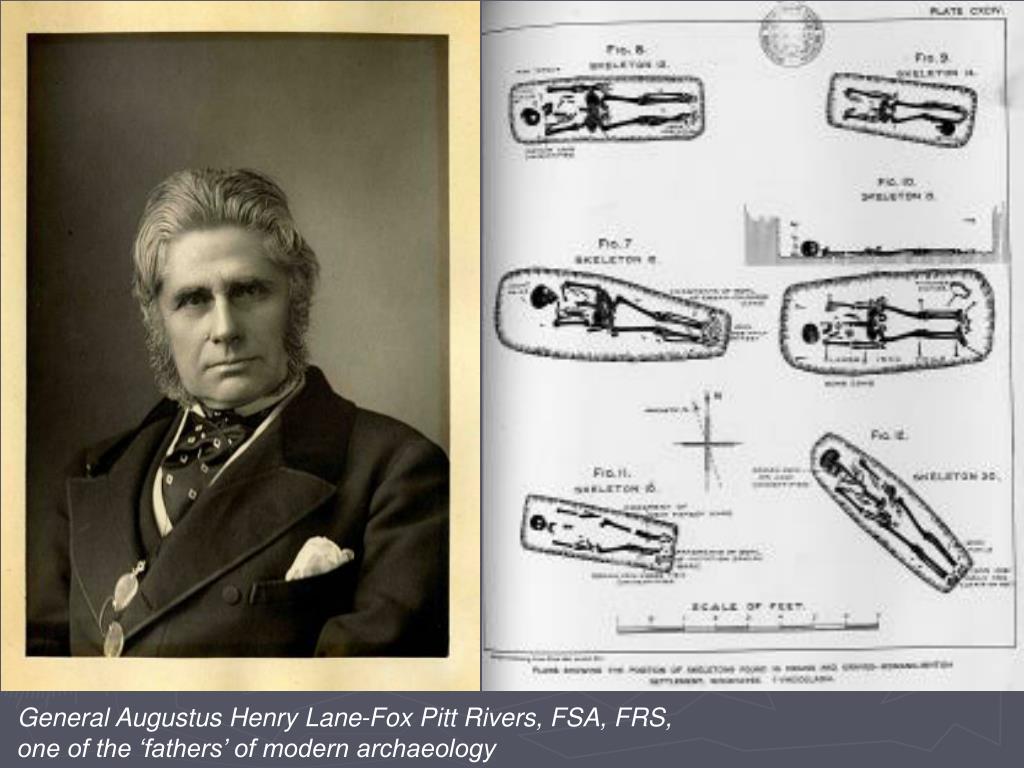
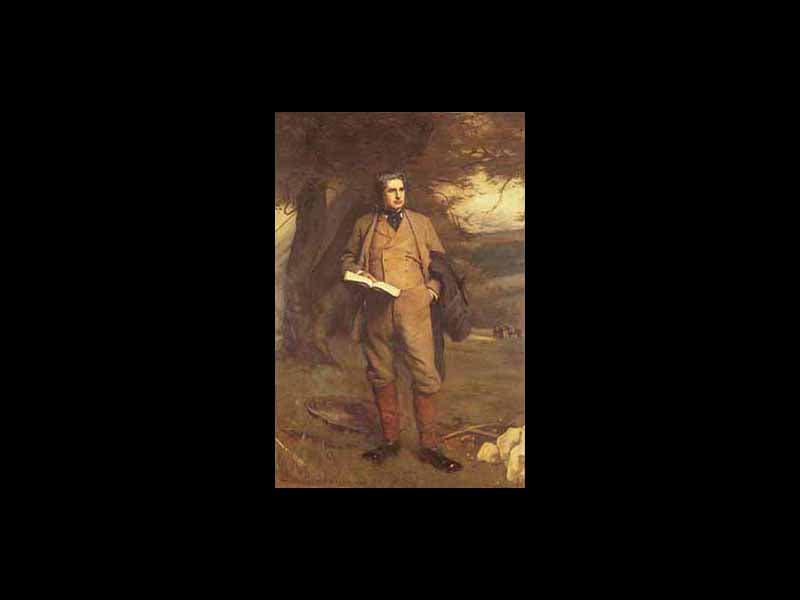
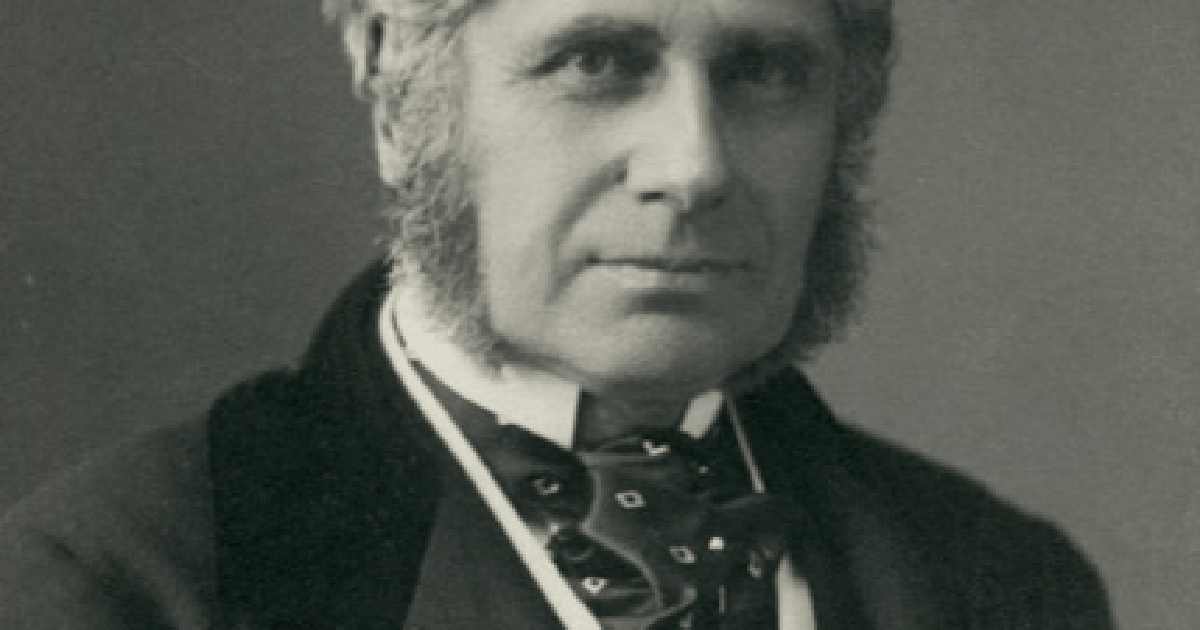
Let's start with the basics. Augustus Lane Fox (he added the Pitt Rivers part later for inheritance reasons, because apparently, back then, inheriting stuff required extra syllables – go figure!). He was born in 1827 and, let's just say, he wasn't exactly hurting for cash. We're talking landed gentry levels of comfy. Now, he wasn't initially destined for archaeology greatness. Oh no. He was a soldier. A soldier with a serious interest in firearms. And that, my friends, is where the magic began.
Think of him as the Sherlock Holmes of weaponry. He didn't just see a gun; he saw a story. He saw evolution in action. He was obsessed with the idea that things developed over time, and guns were his… well, his weapon of choice, so to speak, to prove it. He meticulously collected every single variation he could find, meticulously cataloguing their differences and speculating on their lineage. Like a Victorian Darwin armed with a blunderbuss.
Must Read
From Guns to Goods: The Evolution of EVERYTHING
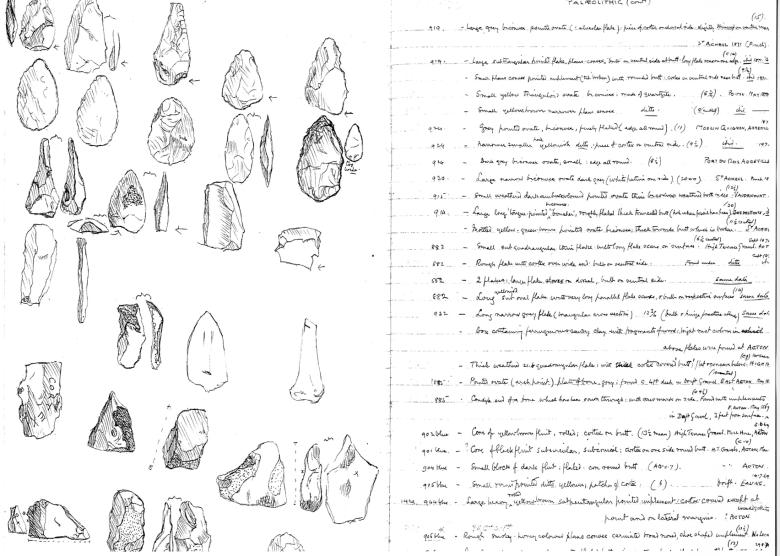
But here's the kicker. Pitt Rivers, bless his analytical soul, didn't stop at guns. He applied his evolution-obsessed brain to everything. Pottery? Yep. Tools? You betcha. Buttons? Good heavens, yes, buttons! He believed that everything humans created evolved, just like animals. And he was determined to prove it by collecting, classifying, and displaying EVERYTHING. Think of it as the ultimate "show and tell," but with more Victorian gravitas and fewer glitter glue explosions.
This is where he gets really interesting. He wasn't just about collecting shiny things for his own amusement (though, let’s be real, the guy probably enjoyed a bit of sparkle). He wanted to understand the processes of change. Why did this type of axe replace that type of axe? What were the factors driving innovation (or stagnation, for that matter)? It's like he was trying to write the user manual for human progress, one artifact at a time.
Key Concepts: You Know, the Archaeological Buzzwords
So, what were the big ideas that made Pitt Rivers a legend? Buckle up, we’re about to drop some academic terms, but I promise to make them as painless as possible:
- Typological Sequence: This is basically the idea that you can arrange objects in a sequence that shows how they evolved over time. Think of it like a family tree, but for spoons. From clunky wooden things to shiny, ergonomic, modern spoons.
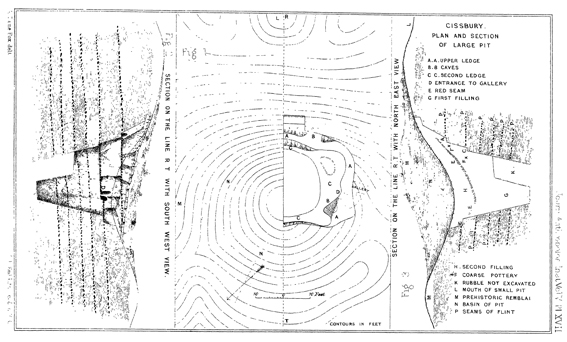
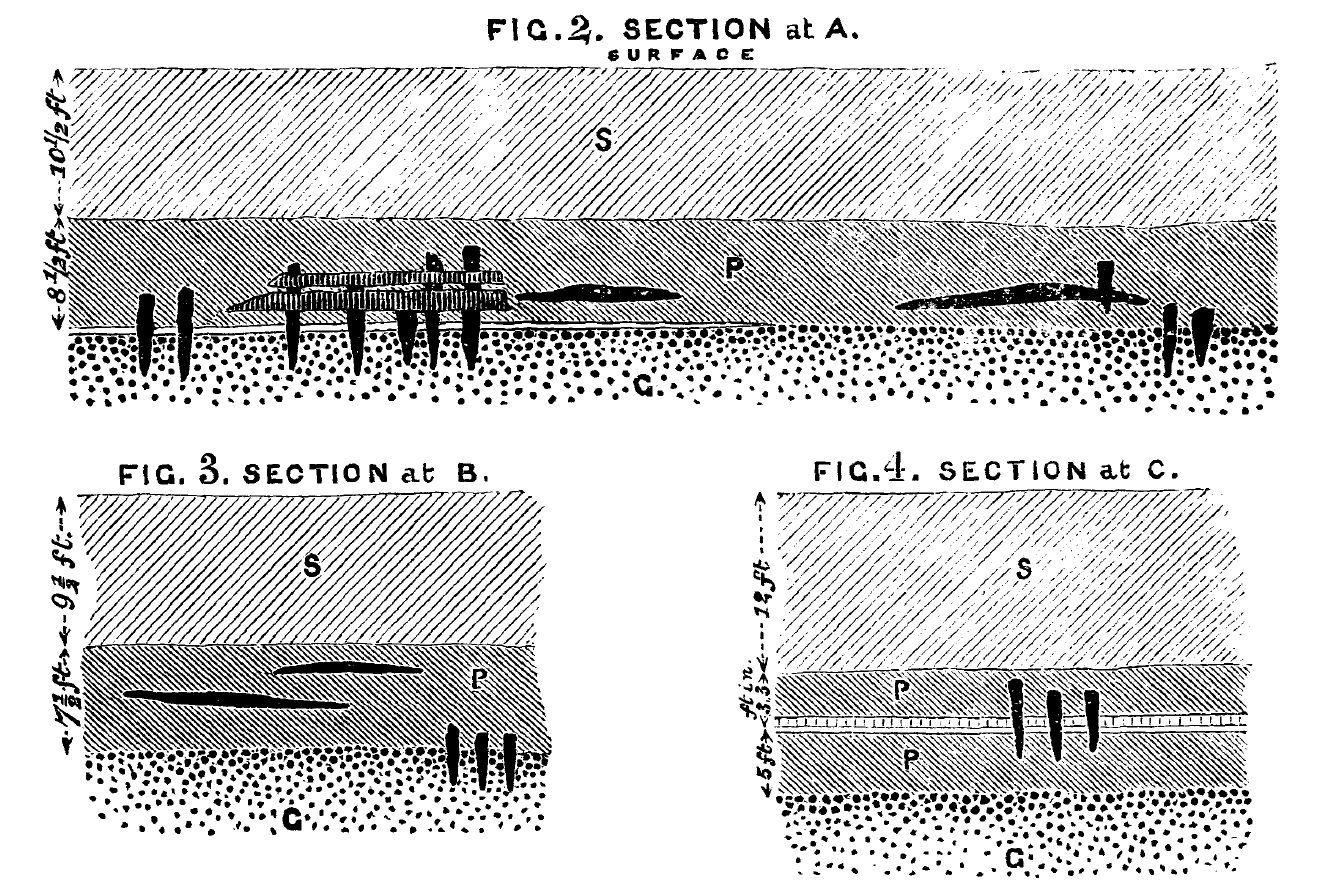
- Stratigraphy: This is the archaeological equivalent of peeling an onion. Each layer of earth represents a different period, and the stuff you find in each layer can tell you about the people who lived there. Pitt Rivers was a master of stratigraphy. He dug carefully, recorded meticulously, and understood the stories hidden in the dirt.
- Total Recording: This is a big one. Pitt Rivers was a stickler for detail. He didn't just collect the pretty artifacts; he collected everything. Even the broken bits. He believed that even the most mundane objects could tell a story, and he wanted to capture that story in as much detail as possible. Imagine finding a half-eaten biscuit during a dig, and instead of tossing it away, you carefully document it. That's Pitt Rivers energy right there.
The Pitt Rivers Museum: Where Weirdness Meets Wonderful
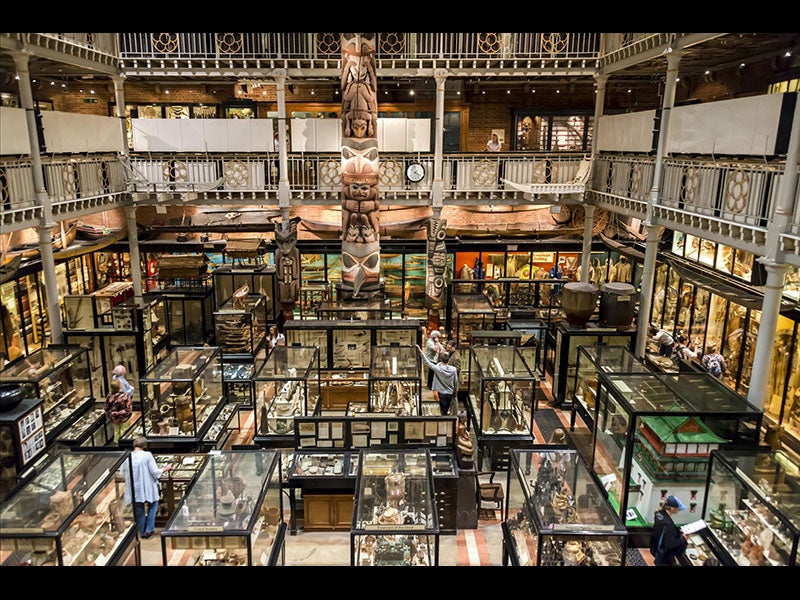
Now, all this collecting and analyzing needed a home. And that home was the Pitt Rivers Museum in Oxford. If you ever get the chance to visit, do it! It's unlike any museum you've ever seen. It's crammed with… stuff. Lots and lots of stuff. But it's not just random stuff. It's all arranged according to Pitt Rivers' principles of evolution and comparison.
For example, you might find a display showing the evolution of different types of bows and arrows, arranged in a line that stretches across multiple cultures and time periods. Or you might see a collection of charms and amulets, organized to show how different cultures have used similar objects to protect themselves from evil. It's a fascinating, slightly overwhelming, and utterly unique experience.
The museum is famous for its… let's call it "eclectic" display style. Forget minimalist design. The Pitt Rivers is all about maximalism. Think Victorian curiosity cabinet meets Indiana Jones' attic. It’s a glorious, organized chaos that truly reflects Pitt Rivers' own obsessive-compulsive genius. And yes, there are shrunken heads. Of course there are shrunken heads.
Why Pitt Rivers Matters: The Enduring Legacy
So, why should you care about some dead Victorian dude who was obsessed with buttons and blunderbusses? Because Pitt Rivers fundamentally changed the way we think about archaeology. He wasn't just interested in finding treasure (though, let's be honest, who doesn't like treasure?). He was interested in understanding human behavior. He saw archaeology as a way to learn about the past, to understand the present, and to perhaps even predict the future.
His emphasis on meticulous recording, stratigraphy, and typological sequences laid the foundation for modern archaeological methods. He was one of the first archaeologists to truly appreciate the importance of context. He understood that an artifact is only as valuable as the information that surrounds it. Without knowing where it was found, what it was found with, and what the surrounding environment was like, an artifact is just a pretty object. But with that information, it becomes a window into the past.
And let's not forget his egalitarian approach to archaeology. He didn't just focus on the elites and their fancy toys. He was interested in the everyday lives of ordinary people. He understood that the study of material culture – the stuff that people make and use – can tell us just as much about a society as the study of its kings and queens.
A Few Fun Facts to Impress Your Friends at Your Next Café Visit
Here are a few extra tidbits to cement your Pitt Rivers expertise:
- Pitt Rivers was a big believer in experimental archaeology. He would often try to recreate ancient technologies himself, just to see how they worked. Can you imagine him trying to build a Stone Age axe in his garden?
- He was a pioneer in public archaeology. He believed that archaeology should be accessible to everyone, not just academics. He opened his excavations to the public and even gave guided tours. Talk about a hands-on history lesson!
- He was a bit of a… character. Let’s just say he had strong opinions and wasn’t afraid to express them. He was known for his meticulousness, his demanding standards, and his occasional bursts of temper. But beneath the gruff exterior, he was a brilliant and dedicated scholar.
So, the next time you see an old tool, a broken piece of pottery, or even just a humble button, take a moment to think about Augustus Lane Fox Pitt Rivers. He was a man who saw the story in everything, and who helped us to understand the evolution of human culture, one artifact at a time. And remember, if you ever find yourself digging in your backyard, remember to record everything meticulously. You never know what kind of archaeological gold you might uncover! (And if you find a shrunken head, definitely call the authorities... and maybe a museum).
Now, if you'll excuse me, I think I'll order another latte. All this historical excavation has made me thirsty!